
Reviewed · COMMUNISM TOURS
Prague Communism History and Nuclear Bunker Tour
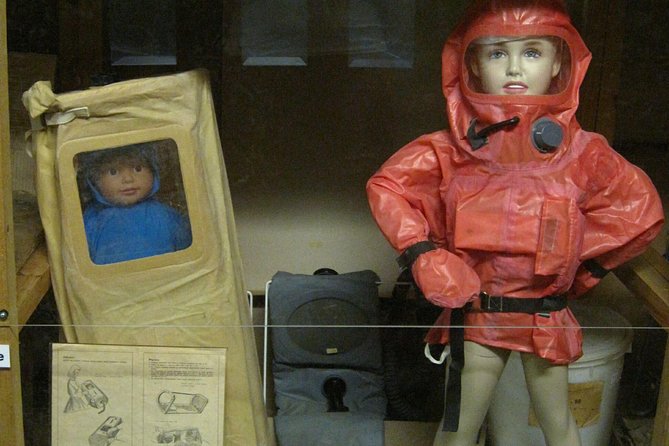
Prague looks timeless, but this tour has you looking at a very recent fear. You’ll follow the communist-era story across the streets, then go four floors underground to a Prague nuclear bunker. It’s historical in a way that feels physical, because the setting is real, not a movie set.
Two things I really like are the chance to see the StB Holding Cells and hear how that system affected real lives, plus the way the guide threads the street scenes into the bunker visit so it all connects. If you get a strong guide, the personal stories can stick with you for days.
One drawback to plan for: this is not for people who hate stairs or who feel claustrophobic, since the bunker tour is tight and vertical.
Key things you should know before you go
- Small group size keeps the experience personal, with a maximum of 26 people
- English live guide plus a photo booklet and a bunker survival guide for the underground portion
- StB Holding Cells gives you a tangible sense of the secret police world
- A real nuclear bunker museum sits four floors down and requires real effort to reach
- Photos allowed, but video recording needs special permission
- Walking tour limits apply, including restrictions for mobility issues and very young kids
Prague’s Cold War facts meet real fear in a four-floor bunker
Prague can be a “pretty city” trip. This tour turns the volume down on the postcard views and cranks it up on what Cold War Czechoslovakia felt like. You’ll walk through key political locations tied to communist rule and resistance, then shift into a place designed for nuclear panic. That change in setting is the point.
I like that you don’t just read about the past. You see buildings, memorials, and street corners that helped shape events, then you step into a bunker museum where the Cold War story is literally stacked in levels. It’s a sobering switch in perspective, and it makes the history easier to understand than dates alone.
The tour runs about 2 hours 20 minutes and can vary by 10 to 15 minutes depending on the group. With a maximum group size of 26, the pace usually feels manageable, but you should still expect a steady walking day.
More communism and Cold War tours:
- Prague: Communism History and Nuclear Bunker Guided Tour
★ 4.7 · 2,417 reviews - Communism & Nuclear Bunker Tour + 70s Canteen Lunch (own expense)
★ 5.0 · 1,036 reviews - Prague: Communism and Bunker Tour with 70s Canteen Lunch
★ 4.8 · 250 reviews
Price and value: what $45.16 includes (and what you should watch for)
At $45.16 per person, you’re paying for more than a city walk. The price includes English live guiding, entrance to the nuclear bunker museum, a photo booklet, and a bunker survival guide. You also get transport to and back from the bunker, which matters because the bunker is not right on the main tourist routes.
You should also know what not to expect. This tour is not a buffet of dozens of sites. It’s built around a handful of stops that connect to the communist timeline, and it spends a big chunk of time underground. If you’re the type who wants lots of extra stops or uninterrupted street-level sightseeing, you might find the schedule heavier than you expected.
Timing is the biggest “value” question. A few guides may move the group by tram or similar transport for part of the trip, and that transfer time can change how long the total experience feels. In general, plan on the full window and don’t schedule tight connections right afterward.
Meeting at Malé náměstí Passage, then finishing in the same place
Your start and end are both at Malé náměstí 459/11, inside the Passage ticket area. The Passage is about 20 meters to the right of Hotel U Prince. If you’re standing with your back to the square, look for the Passage entrance and go inside to the ticket office.
Two practical tips:
- Give yourself extra time to find the right doorway, because the ticket office is inside the Passage.
- Once the group leaves the start point, it’s not guaranteed you can join. So if you’re late, it can turn into a missed tour rather than a quick save.
The tour is listed as near public transportation, which helps. Still, if you’re arriving on foot from another side of Old Town, build in time for the “find-the-internal-ticket-office” moment.
The street-walk stops that set up the Cold War story
This experience is structured like a chain. The guide starts with the communist-era power system, then moves toward the revolution and invasion era, then transitions into socialist architecture, and finally drops you into the bunker.
Here’s how each stop works in real life, and what you’ll likely get from it.
More history-led tours in Prague:
- Prague: Oldtown, Medieval Underground & Dungeon History Tour
★ 4.2 · 8,244 reviews - Prague Old Town, Medieval Underground and Dungeon Historical Tour
★ 4.5 · 3,227 reviews - Prague: Historic City Center Bus Tour with Top Sights
★ 4.4 · 2,360 reviews - Prague Historic Pub Tour with Drinks Included
★ 5.0 · 2,084 reviews
StB Holding Cells: where fear becomes a room
The StB Holding Cells are a former secret police building. This is where the tour’s tone often turns serious fast. You’ll hear about the system’s methods and the story of former President Václav Havel, whose life and voice became closely tied to the struggle against communist control.
Why this stop matters: it’s not abstract. Holding cells put power into a physical space. Even if you’ve read about the era before, the layout can make the repression feel closer to human scale.
Potential drawback: if your guide’s style is more lecture-like than story-like, this stop can feel dense. But on the best days, it’s also one of the most memorable parts.
Velvet Revolution Memorial: the turn from survival to change
Next you’ll visit the Velvet Revolution Memorial, tied to the moment in 1989 when public pressure and political collapse forced the system to crack. The name alone gives the vibe, but the point here is the timeline, and how quickly something can shift once people commit to change.
Why I like this stop: it balances the darker parts of the tour. You don’t just leave with sadness about repression. You also see how resistance became a real political force.
Národní třída: past events plus ongoing politics
At Národní třída, the guide connects historical events to more recent political history in the Czech Republic. This helps you understand that the communist era is not locked behind a museum door. It still shapes how the country sees itself.
In plain terms, this stop is for readers who want context, not just drama.
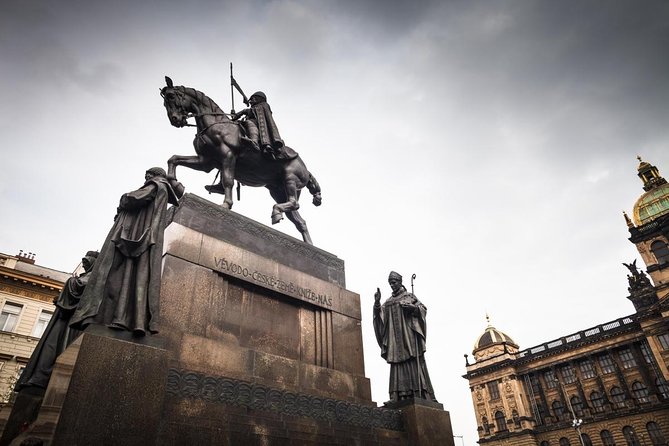
Wenceslas Square and August 1968: Soviet invasion and Alexander Dubček
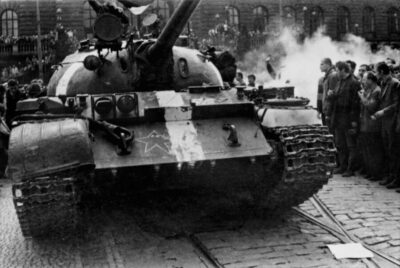
At Wenceslas Square, you’ll hear about the Soviet invasion in August 1968 and the role of Alexander Dubček. This is one of those “turning points” moments in Cold War Europe, where reform hopes met hard power.
I like this because it explains a key contradiction of the time. Czechoslovakia was not simply one side or the other. People wanted change, but the Soviet sphere had its own rules.
Olšanské náměstí: socialist architecture you can still walk through
The tour then moves to Olšanské náměstí, in what’s described as a former workers district. You’ll see typical socialist architecture and original buildings from the 1970s concrete era.
This stop helps you understand the everyday environment of the communist period. Politics lived in apartments, streets, and the look of daily life. It’s also a break from the most obvious Old Town sights.
Going four floors down: the nuclear bunker museum experience
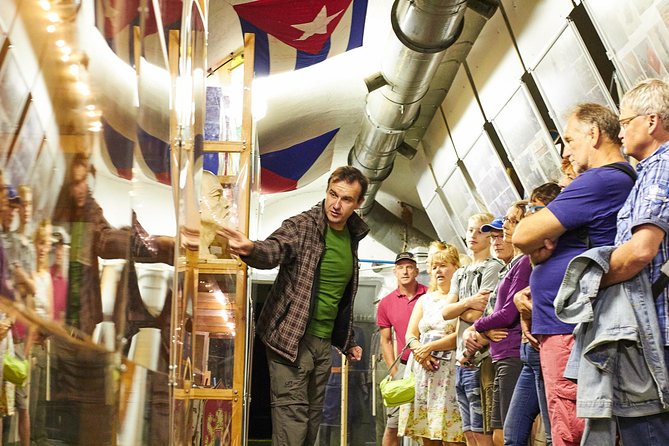
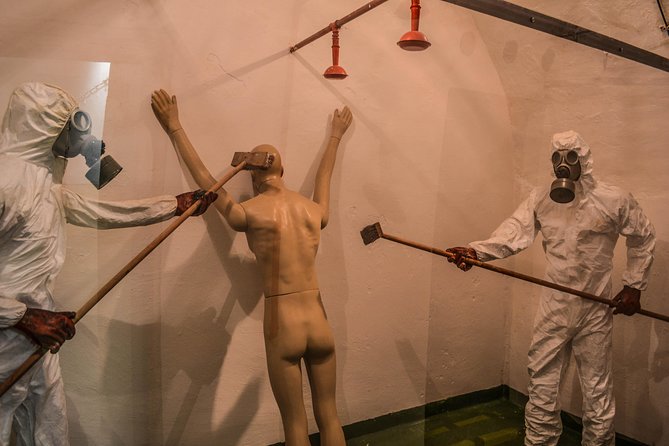
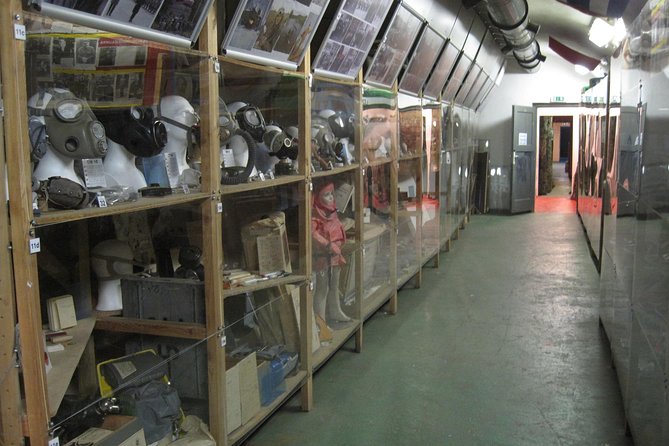
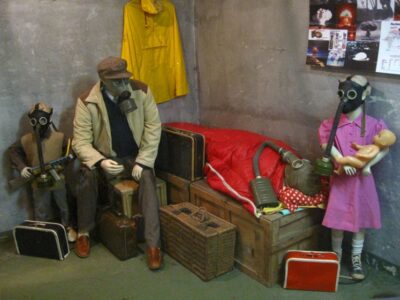
The main event is the nuclear bunker. You’ll visit the Prague Nuclear Bunker Communism and Cold War Museum, located four floors underground. The tour includes entrance plus the guide takes you through the bunker spaces and museum elements.
Expect a vertical experience. The bunker requires a lot of steps and up ramps, and you should be ready for that physical effort. It’s also tightly packed, which is why the tour is explicitly not for people with claustrophobia or serious heart issues.
What you’ll learn inside depends on the guide, but the bunker setting usually brings up two themes:
- the Cold War idea of preparedness and fear
- how communist-era messaging and everyday life collided with the idea of nuclear survival
Some guides also add personal context, including stories from their own life under communism. In the reviews you provided, names like Pavel, Karl, Tom, Maki, Ladislav, Stan, and Lada show up again and again as people who blend facts with personal perspective. You can’t guarantee a specific guide, but this tour often turns powerful when the guide has lived the era or studied it closely.
Photos, video, and the “don’t rush” rule
Photos are allowed in the bunker. Video recording is allowed only with special permission. If you’re the kind of person who likes to capture every corner, watch the guide’s cues and avoid slowing the group down.
The overall time underground is long enough that rushing can make you miss the connections the guide is making. If you want value, take a breath and let the place sink in.
Transfers and timing: why 2 hours 20 minutes can feel longer
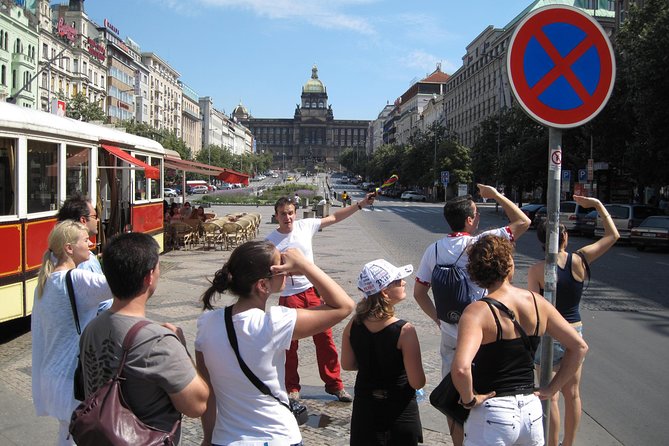
The total duration is about 2 hours 20 minutes, but the tour includes transport to and back from the bunker, and that travel time can shape your experience.
A few people noted that a substantial chunk of time can be spent during transport, sometimes by tram or similar city transit. So even though the tour duration is listed as roughly 2+ hours, your real-world experience can feel different depending on the day, route, and group flow.
Here’s how I’d plan it:
- Give yourself a flexible block of time, and avoid booking a close-by theater ticket or a tight train window right after.
- Wear comfortable walking shoes, because between the city stops and the bunker steps, your legs will be the real limiting factor.
What makes the guide matter so much here
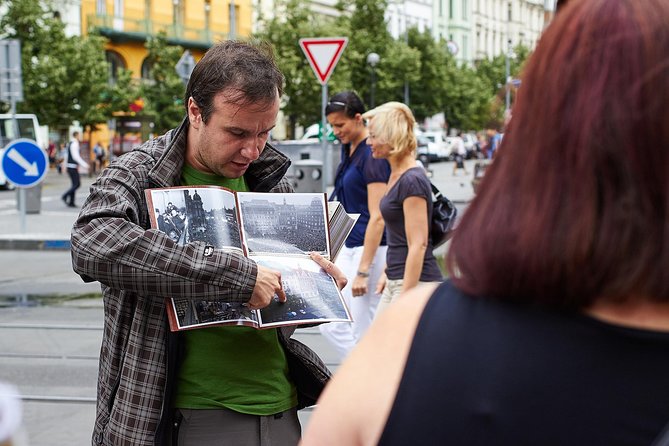
This tour lives or dies by storytelling. When you get the right guide, you don’t just memorize facts. You feel how the era shaped people’s daily choices and emotions.
The reviews you shared strongly emphasize guide quality. People singled out guides like Ladislav, Stan, Pavel, and Lada for being passionate, funny in a grounded way, and willing to connect personal experience to historical events. That combination can turn a dark topic into something you can actually process.
Still, not every guide hits the same balance. A smaller number of voices complained about repetition or a tour that felt rushed through the most relevant facts. That’s why I recommend you treat this tour like a guided experience, not a self-paced documentary.
If you prefer straightforward lists of dates and policies with minimal commentary, you may or may not enjoy every minute. But if you like human context, this tour can be a standout day.
Who should book this Prague communism and nuclear bunker tour
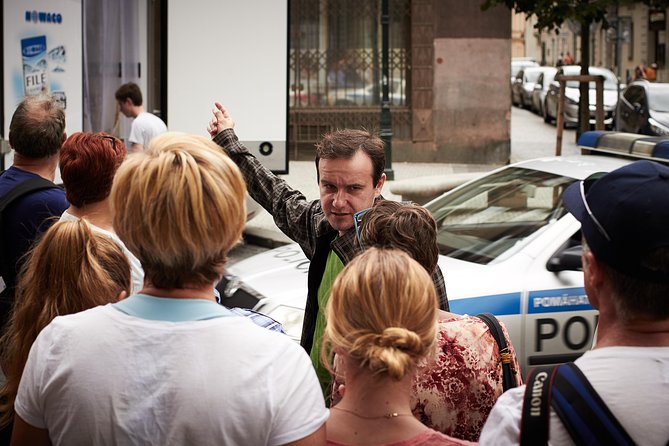
This is a strong fit if you:
- want Cold War history that feels grounded in real places, not just a classroom
- enjoy guided narrative and personal context, especially from people who can link events to lived experience
- are comfortable with a walking tour plus a demanding underground visit
It’s a weaker fit if you:
- have mobility limits (the tour says it’s not possible for people with any walking disability or mobility issue)
- have claustrophobia or serious heart issues
- travel with very young children, since it’s not allowed for the smallest children under school age
- need the ability to translate during the tour, since you must speak the tour’s chosen language
Also skip the tour if you’re looking for a light, casual sightseeing day. This one is built for history and the emotional weight of it.
Should you book this Prague Communism and Nuclear Bunker Tour?
If you want a Prague day that goes past the typical sights and into the forces that shaped modern Czech identity, I think this is worth booking. The value is clear: you get guided history, entry to a four-floor underground bunker museum, and the transport and materials that help the experience make sense.
But book with eyes open. Wear your most supportive shoes, expect stairs, and be honest about how you feel in tight spaces. If you’re good with that, this tour can be one of the most memorable ways to understand the Cold War in Prague.
FAQ
How long is the Prague Communism and Nuclear Bunker Tour?
It’s listed at about 2 hours 20 minutes, with possible variation of plus or minus 10 to 15 minutes depending on group size.
What is included in the ticket price?
The ticket includes entrance to the Nuclear Bunker Museum, an English live guide, a photo booklet and bunker survival guide, and transport to and back from the bunker.
Where do I meet the tour?
You meet at the ticket office inside the Passage at Malé náměstí 459/11. The Passage is about 20 meters to the right of Hotel U Prince.
Is the tour accessible for people with mobility issues?
No. The tour is not possible for people with any walking disability or mobility issue.
Is this tour okay for young children?
No. It’s not allowed for the smallest children under school age.
Is the bunker visit safe for people with claustrophobia?
No. It is not recommended for people with claustrophobia, and it’s also not recommended for serious heart issues.
Do I need to speak the tour language?
Yes. The tour requires that you speak the chosen language of the tour, and translation during the tour to other languages is not allowed.
Recently reviewed around Prague
- 1 Hour Prague Party Hummer Limousine Ride★ 5.0 · 27 reviews
- 1 hour ride in vintage limousine★ 5.0 · 49 reviews
- The Clinic: Escape room in Fun Arena Prague★ 4.7 · 3 reviews
- Tour of Prague Castle in italian language ticket included★ 4.9 · 25 reviews
- The essentials of Prague★ 5.0 · 3 reviews
- Prague: Lobkowicz Palace Ticket & Audio Guide★ 4.5 · 130 reviews
- The best Trike Bike Prague city tour★ 5.0 · 3 reviews
- Prague Castle: Admission Ticket With Transfer And Audioguide★ 4.5 · 111 reviews
Communism Tours, compared.
Communism History and Nuclear Bunker Guided Tour
Read our review →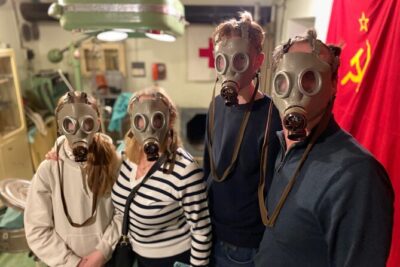
Communism & Nuclear Bunker Tour + 70s Canteen Lunch (own expense)
Read our review →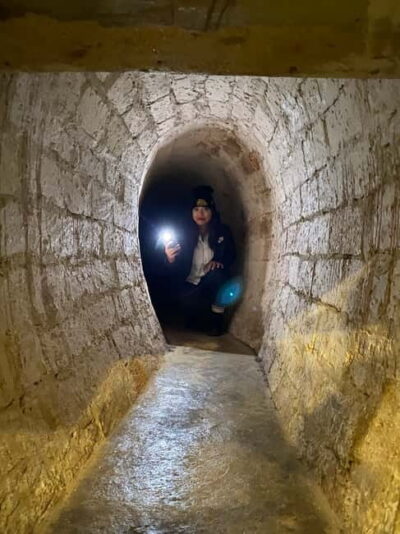
Communism and Bunker Tour with 70s Canteen Lunch
Read our review →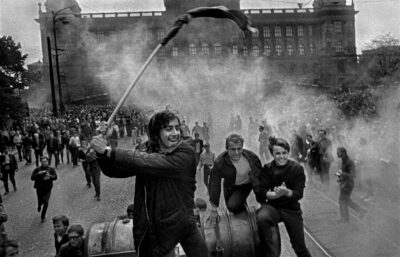
Browse the lists this tour appears in