
Reviewed · COMMUNISM TOURS
Communism and its fall Prague private tour
Communism and its fall is not a dusty topic in Prague. This 2-hour private walk gives you the story in the places where people argued, marched, and demanded change. What I love most is how Jana Neubergova connects the street corners to real November 1989 memories, and how you get a clear route without getting lost. One consideration, this is a walking-focused tour with a moderate fitness level, and most sites do not include admissions.
Two things make this tour feel unusually personal. Jana is friendly and easy to talk to, and she is fluent in English with details that explain how history felt in the moment. If you prefer a purely museum-style experience with indoor stops and paid tickets included, you might want to know up front that this tour is built around outside viewpoints and short orientation breaks.
Key highlights you should know before you go
- A guide with firsthand ties to the Velvet Revolution, plus time working in Vaclav Havel’s circle
- A tight 2-hour walking route that covers major Prague landmarks tied to protest and change
- National Theater, Narodni Street, and Wenceslas Square as the backbone of the story
- Lucerna Arcade’s connection to Havel’s family, linking culture, society, and politics
- The Memorial to the Victims of Communism stop, with the memorial admission listed as free
- Pickup on foot from Prague hotels, plus a mobile ticket for convenience
Why this tour feels different from a typical “history walk”
Prague can handle big themes in small spaces. In about two hours, you move through central landmarks where Czech intellectuals gathered, where public messages became political, and where demonstrations were staged. The route keeps you oriented in one compact area, so you finish feeling like you understand the map of modern Czech change, not just the facts.
I also like that this isn’t trying to scare you with slogans. Jana’s approach is human. She shares how people lived under communism and what it meant to be part of public pushback, including participation in the events around November 1989. That kind of context turns an explanation into something you can actually picture when you stand in the right spot.
The third reason this works is practical pacing. Stops range from about 10 to 20 minutes, which is long enough to listen and short enough that you do not feel stuck at one place. If you’re short on time and still want the political story in real locations, this tour is built for you.
More communism and Cold War tours:
- Prague: Communism History and Nuclear Bunker Guided Tour
★ 4.7 · 2,417 reviews - Prague Communism History and Nuclear Bunker Tour
★ 5.0 · 1,742 reviews - Communism & Nuclear Bunker Tour + 70s Canteen Lunch (own expense)
★ 5.0 · 1,036 reviews
Pricing and what the $85 per person really buys
At $85 per person, the value is mostly in the guide, not in museum admissions or private transport. The tour includes a professional, fully licensed guide, a free map of Prague, and it is a true private experience for your group. The route is walkable, so you are not paying for driving, and that keeps the focus on the conversation and the landmarks.
What is not included matters. Most stops list admission tickets as not included, meaning you might spend extra time and money at any site that charges entry. The memorial is listed as free, so that part is straightforward. If you like a plan where almost everything is bundled, you may need to budget a bit for any optional entries you choose on the day.
One more value point: pickup is offered on foot from Prague hotels. It sounds small, but it helps you start calm. Instead of wrestling with transit before the tour begins, you get to the story area faster, and the tour time stays focused on what you came for.
The route: what you’ll see and why each stop matters
This tour runs for about 2 hours and is offered in English. You’ll meet up for a start point described as a meeting place connected to Czech intellectuals, then move through five key locations. The route is short enough that you can keep your energy, but varied enough that you do not feel like you are repeating the same street theme.
Meeting point: Czech intellectuals as the starting line
The tour begins at a meeting point framed as a place where Czech intellectuals gathered. That choice matters because the story of communism and its fall in Prague is not only about leaders and crowds. It is also about ideas moving through writers, thinkers, performers, and organizers.
For you, this opening sets tone. You understand early that culture and politics were linked, not separate. And when a guide starts with how intellectuals created pressure, you end up listening differently at the first major landmark.
Practical note: the meeting spot is paired with on-foot pickup from Prague hotels, so you should plan to be at the pickup location a few minutes before your start time to keep things smooth.
More private tours in Prague:
- Prague Old Town: Private Tour
★ 5.0 · 1,223 reviews - Prague Airport Private Arrival Transfer
★ 4.5 · 991 reviews - Prague Airport Private Departure Transfer
★ 4.5 · 780 reviews - Discover Prague Private Tour – 3 hours
★ 5.0 · 705 reviews
National Theater: where history gets a stage
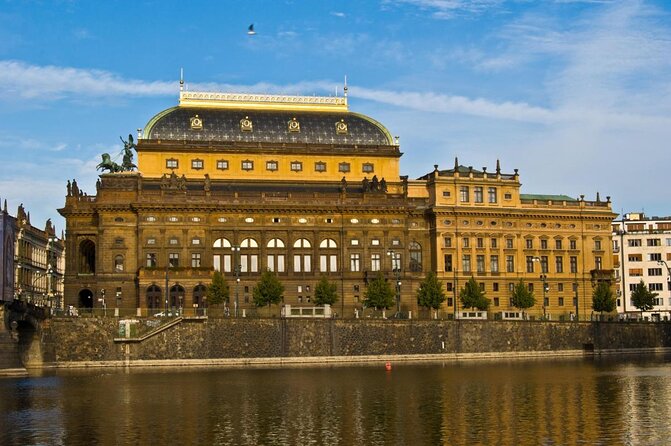
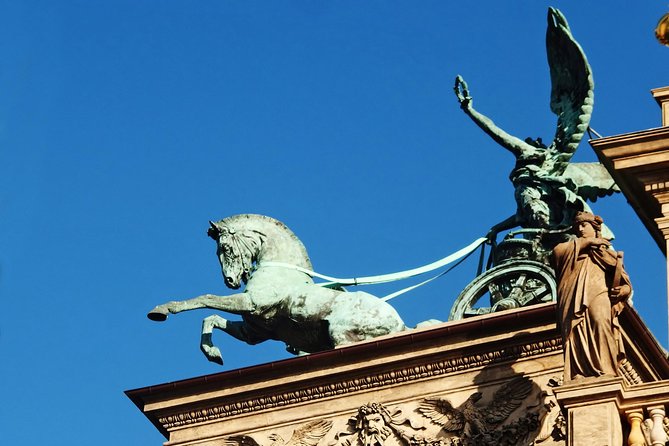
Next you’ll reach the National Theater, with a stop time of about 10 minutes. This theatre is described as playing an important role in Czech history. Even if you never buy a ticket that day, it helps to stand there and grasp the idea behind the building: public culture was not neutral. It was a way of showing national identity, and identity is powerful under any regime.
Drawback to consider: admission is not included, so if you want to go inside, you may need to pay separately and potentially adjust how you spend your time. For many people, though, the quick exterior orientation is enough to understand why it belongs in this story.
Narodni Street: the spark point in the Velvet Revolution
Your next stop is Narodni Street, where the Velvet Revolution started. You get around 15 minutes here. This is one of the places where the tour’s theme comes alive fast. Street-level details matter, because protests often begin where people can move, see, and communicate quickly.
This stop is also a timing lesson. When you stand where action started, it becomes easier to connect the dots between earlier tension and the moments that tipped into mass protest.
Ticket note: admission tickets are not included for this stop, so do not plan on a paid interior experience. Instead, treat it like an on-the-ground “here’s what happened and why it mattered” moment.
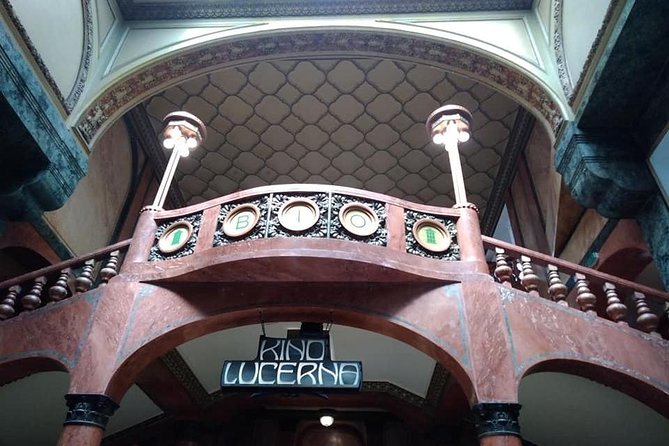
Lucerna Arcade: culture and social life under pressure
Then you’ll head to Lucerna Arcade, with about 10 minutes allocated. This place is described as an important culture and social center founded by Vaclav Havel’s family. That detail is a big deal because it ties the political narrative to everyday life, not just dramatic events.
I like this stop because it broadens your understanding. People did not only resist in giant rallies. They also resisted through cultural spaces, social gatherings, and the public visibility that comes when ideas have a home.
If you want to go deeper in person, you might find additional layers once you are there. But even without extra admissions, the fact that a family connected to Vaclav Havel helped create this cultural hub gives you a useful lens for the rest of the route.
Wenceslas Monument: the heart of protest in the present tense
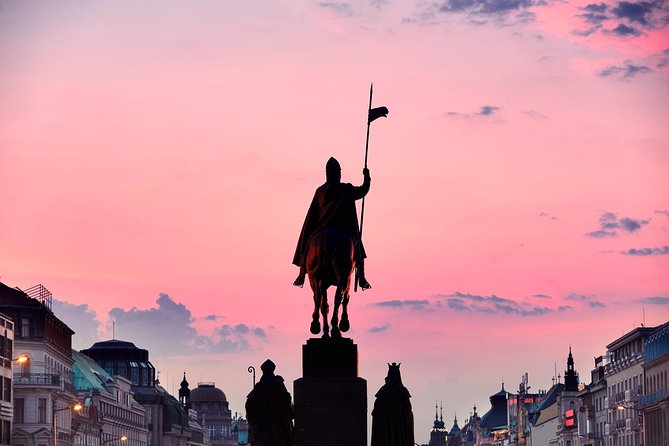
Next is Wenceslas Monument at Wenceslas Square. You spend about 20 minutes here, which is the longest stop besides Wenceslas. The location is described as the heart of Prague, and it is also noted as the place where demonstrations still take place.
That last part is key for you. This isn’t just looking backward. When you stand at Wenceslas Square, you see how civic space keeps being reused for public voice, even after political systems change. It makes the idea of dissent feel practical and ongoing rather than historic and finished.
Admission is not included for this stop. Still, the square itself is what you’re there for. Take the extra time your guide gives you, and ask questions about how the same physical space can carry different political meanings across decades.
Memorial to the Victims of Communism: remembering what was lost
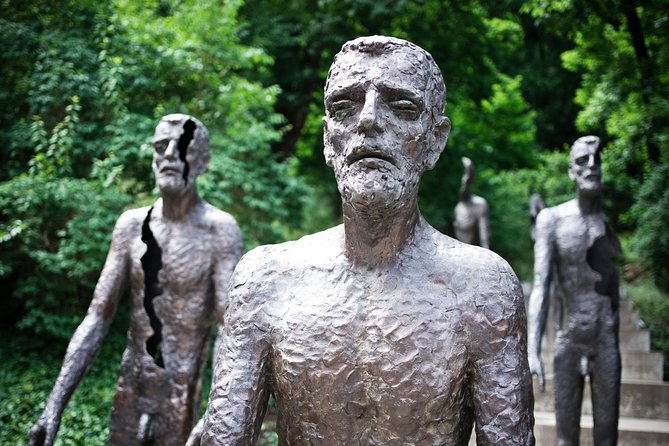
Finally, you’ll visit the Memorial to the Victims of Communism, with about 15 minutes. This memorial is created by sculptor Olbram Zoubek and is listed as having free admission.
I appreciate how this stop changes the emotional tone of the tour. You move from the mechanics of protest and public visibility into a space dedicated to the people harmed and silenced. It gives you a chance to connect the political story to human cost, which is often where the hardest lessons land.
If you like reflective moments in a tour plan, this is the place to slow down. Read what you can on site, stand back for a wider view, and let the guide’s commentary bring the meaning together.
What makes Jana Neubergova’s guiding style so effective
Most tours can point at buildings and tell you dates. This one is stronger because Jana connects the landmarks to actual decisions people had to make under pressure.
In the reviews connected to this tour, the most repeated praise is straightforward: Jana is friendly, speaks perfect English, and gives special details because she has lived through the story. One person booked the tour for American colleagues and reported that everyone enjoyed every minute, which tells me the pacing and clarity work even for visitors who have only a basic background in Czech history.
The stand-out theme is firsthand access. Jana is described as having personal memories from dark times, participating in demonstrations against communism in November 1989, and later having the honor to work for Czech president Vaclav Havel. Even if you know the broad outline of what happened, having a guide who can describe how it felt to be in the middle of it changes the way you understand the places.
You also get a practical benefit: Q and A is easy here. Jana’s approach makes it simple to ask for clarifications, which matters because the communist era can feel confusing if you only get dates and names. This tour helps the timeline click into place because it is anchored to physical locations you can remember.
How to get the most out of the 2-hour format
A short tour is great when you use it well. Before you go, decide what you want most: a clear narrative, specific event context, or a guide with personal stories. Jana can give all three, but your own curiosity affects what you notice.
During the walk, you’ll likely do best by taking your questions to the right moments. For example:
- When you reach National Theater, ask how culture and public life were affected.
- At Narodni Street, ask about how early protest energy spread.
- At Wenceslas Square, ask how the physical setting shapes what crowds do.
Wear comfortable shoes. Even though the stops are short, you are still moving across central Prague. And since the tour notes a moderate physical fitness level, I’d treat it as walking with some pace, not a slow stroll with lots of sitting.
Finally, plan your day so you are not rushed. If you schedule dinner right after, you might miss small points you want to follow up on. Give yourself a little breathing room to process what you learn.
Who this tour is best for, and who should skip it
This tour is ideal if you:
- like history in real places, not just in books
- want a compact, high-impact 2-hour orientation to Prague’s modern political story
- enjoy guides who can add personal perspective to public events
- are visiting Prague for a limited time and still want meaning behind major landmarks
You might choose a different style if:
- you want mostly indoor, ticketed museum time
- you dislike walking-focused tours
- you prefer that all admissions are included in the price
Should you book this Communism and its Fall Prague private tour?
I think you should book if you care about how ideas turn into streets, and streets turn into change. The biggest selling point is Jana Neubergova, with firsthand ties to the Velvet Revolution and to Vaclav Havel’s circle, plus English that is clear enough to keep every detail understandable. The route is tight and efficient, and the memorial stop adds an important human ending.
If you’re trying to keep costs extremely low, just know that admissions are not included for most stops, while the memorial is listed as free. But even with that in mind, you are paying mainly for a high-quality, personal guide and a route that makes Prague’s modern story easy to follow.
If that sounds like your style, this is a strong, memorable way to see Prague with purpose.
Recently reviewed around Prague
- Savor 10 Course Dinner in Chef’s Kitchen★ 5.0 · 20 reviews
- Prague for Men★ 5.0 · 11 reviews
- Private Lesser Town tour – Historical Treasure Hunt★ 4.5 · 7 reviews
- Photographer in Prague – Couple, engagement & portrait photoshoot★ 5.0 · 22 reviews
- Ebike Sunset tour of Prague★ 5.0 · 19 reviews
- 1-Hour Ride Across the Prague in Mini Hot Rod Car★ 5.0 · 37 reviews
- The Best of – private tour with PERSONAL PRAGUE GUIDE★ 5.0 · 107 reviews
- Prague on Stylish Retro styled E-Bike – Viewpoints & Sightseeing★ 5.0 · 20 reviews
Communism Tours, compared.
Communism History and Nuclear Bunker Guided Tour
Read our review →
Prague Communism History and Nuclear Bunker Tour
Read our review →
Communism & Nuclear Bunker Tour + 70s Canteen Lunch (own expense)
Read our review →
Communism and Bunker Tour with 70s Canteen Lunch
Read our review →
Browse the lists this tour appears in