
Reviewed · TEREZIN CONCENTRATION CAMP TOURS
Terezin concentration field excursion
Terezín is interesting because you see how one place was repurposed again and again, from an 18th-century fortress into a machinery of persecution. You walk a route that mirrors what prisoners did, so the story lands in your feet, not just in your head. I especially like the clear focus on National Czech suffering and the way the day connects sites across both large and small fortresses.
Two things I like a lot. First, the tour includes the stop at the Anthropoid Operation monument on the way out, which helps you understand the wider wartime context. Second, you get a guided, structured visit that goes from a museum of names and facts to the grounds where people were held and moved, including the administrative area and the shooting field.
One possible drawback is the subject matter is heavy and the pace is fairly tight for a 6-hour outing. You will do walking in fortresses and memorial grounds, so plan on taking it seriously, not casually.
Key points at a glance
- Spanish-language guiding keeps the experience focused and easier to follow.
- Stops that explain context start right away with the Anthropoid Operation monument.
- Ghetto Museum plus route-based touring helps you connect names and places.
- Clear Ghetto versus field distinction is part of how the story is taught.
- Great fortress and small fortress show different roles of the same prison system.
- Casemates and the shooting field are included on the prisoner path.
From Prague to Terezín, A 9:00 Start That Sets the Tone
This excursion is built like a guided story in motion. You meet at V Celnici 4 and the itinerary begins at 9:00 in the morning, then you head toward Terezín. The drive is not just travel time, you get historical and technical framing while you are on the way, which makes the sites hit harder when you finally arrive.
The guide service is live and in Spanish, and that matters more than you might think. Memorial tours work best when the narration keeps the route coherent. If you understand Spanish, you will probably find it easier to keep up with why each courtyard, gate, and building mattered.
At around an hour into the morning you reach the main fortress area. That first segment is when I think you can feel the difference between just visiting a memorial and actually learning from it. You do not arrive cold. You arrive prepared.
More Terezin memorial tours from Terezin:
- From Prague: Terezin Concentration Camp Guided Tour w/ Audio
★ 4.5 · 1,959 reviews - From Prague: Tour of Terezin Concentration Camp
★ 4.4 · 1,269 reviews - Terezin Concentration Camp Day Tour from Prague
★ 4.0 · 1,007 reviews
The Anthropoid Operation Stop, and Why the Drive Matters
One of the smartest parts of this tour happens before you even enter Terezín. You pass through the monument tied to the Anthropoid Operation on the way from Prague.
This is useful because it anchors what you are about to see in the larger wartime reality, not in isolation. Terezín is often discussed as a single symbol, but your guide treats it as part of a system under occupation. Even if you already know the basics of the operation, this stop gives your brain a timeline hook before you enter the fortress environment.
You also get a quick lesson in reading the landscape. The tour treats routes, buildings, and named sites as clues. That approach makes later parts of the visit feel less like random sightseeing and more like following a line of evidence.
Arriving at the Memorial, The Museum Where Names Come First
Once you reach the memorial, the tour shifts into a guided visit of the Terezín Memorial and Ghetto Museum. There is also a photo stop, then you continue with the museum portion with a guided tour.
The museum focus is not just general wartime background. It centers on understanding names, facts, and the ways people were processed and represented. That matters because it counters the temptation to treat a place like Terezín as only a dramatic story. The memorial’s mission is to commemorate victims of Nazi political and racial persecution in occupied Czech lands during World War II, and the museum is designed to support research and educational work tied to that goal.
This is also where you tend to start noticing how the tour handles language. You hear the distinction between the broader “ghetto” concept and the specific nature of the place as it functioned as a concentration system. When that language shows up later on the grounds, it will not feel like new information. It will feel like the continuation of the same explanation.
If you are the type who likes structure, you will probably appreciate this. The tour keeps returning to what the sites mean, instead of letting you wander too far on your own.
Following the Route Like Prisoners, Courtyards to Arbeit Macht Frei
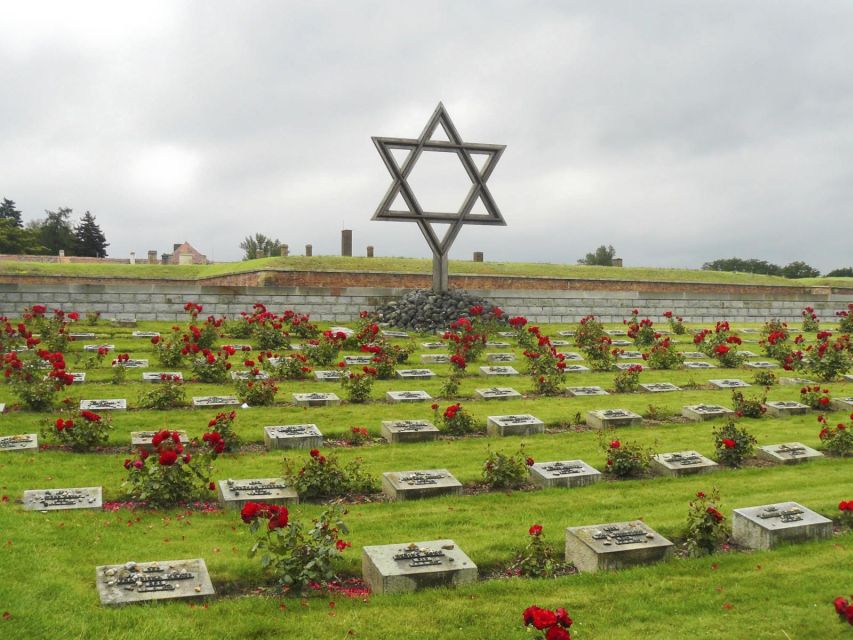
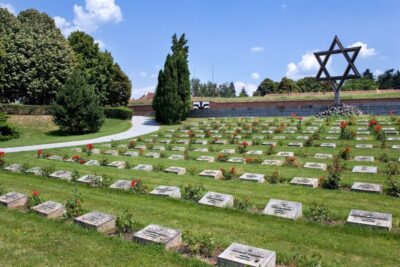
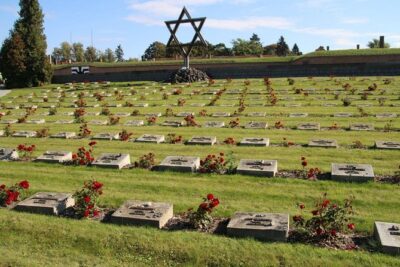
After the museum portion, the tour continues along the memorial grounds with more guided explanation. You move on from the museum toward the national cemetery, and the guide explains the differences between the Ghetto and the field.
That distinction is one of the tour’s value points because it changes how you interpret everything you see after. If you go in assuming it is all the same kind of incarceration, the later parts can feel confusing or repetitive. Here, the narration tries to keep the system organized, so you know what you are looking at and why it was used that way.
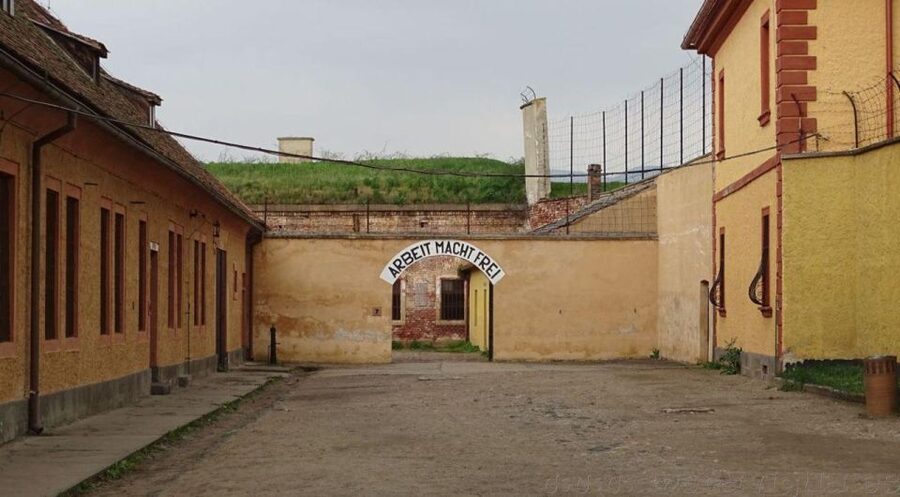
Next, you visit the concentration camp section following a route designed to reflect what prisoners followed. The guided path starts in the administrative courtyard. This is a key moment in the tour because the administrative area helps explain how control and recordkeeping connected to physical movement.
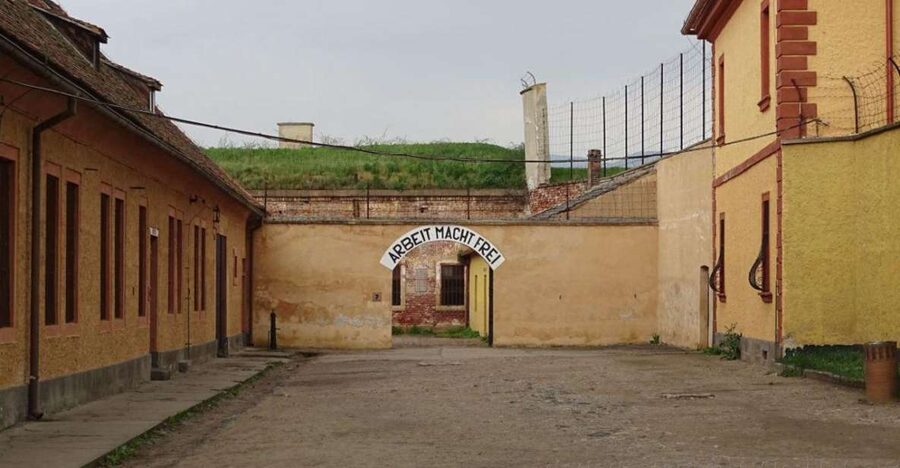
Then you reach the part associated with Arbeit Macht Frei. Even if you have heard the phrase before, the tour approach makes it more than a slogan. You see it positioned within the experience of the grounds and the prisoner route.
At this stage, the tour becomes less about “what happened here” and more about “how the system moved people through space.” That is where the route-based design pays off.
Same city, a completely different kind of day:
- From Prague: Terezin Concentration Camp Tour
★ 3.7 · 573 reviews - From Prague: Terezín and Ghetto Museum Guided Tour
★ 4.3 · 571 reviews - Terezin & Bohemian Switzerland from Prague: Bastei, Narnia & Café
★ 5.0 · 445 reviews - Terezin Concentration Camp Day Tour Including Admission From Prague
★ 4.5 · 179 reviews
Great Fortress, Jewish Ghetto, and the Logic of a City
Your first big site is described as the great fortress, which functioned as the Jewish ghetto. The tour makes it clear that the entire city was used as the Jewish ghetto, meaning the fortress was not only a wall around a prison camp. It was a built environment repurposed for confinement.
You will pass through parts of the grounds that connect the administrative elements to living and movement areas later in the day. The guide also provides interpretive context during the drive and at the sites, which helps you link the layout to the human reality inside it.
I like that the tour does not treat the great fortress as one static ruin. It treats it as a working system that changed function over time. The fortress itself was founded at the end of the 18th century and started as a modern fortress for its era, then its function shifted over the years into a Nazi instrument. That background gives you a sharper sense of how reusing existing infrastructure can become terrifyingly efficient.
If you prefer emotionally safer sightseeing, this is not that kind of tour. But if you want honest education that respects the victims while making the system understandable, this portion delivers.
Casemates, Prisoner Areas, and the Small Fortress of Lecca Resistance
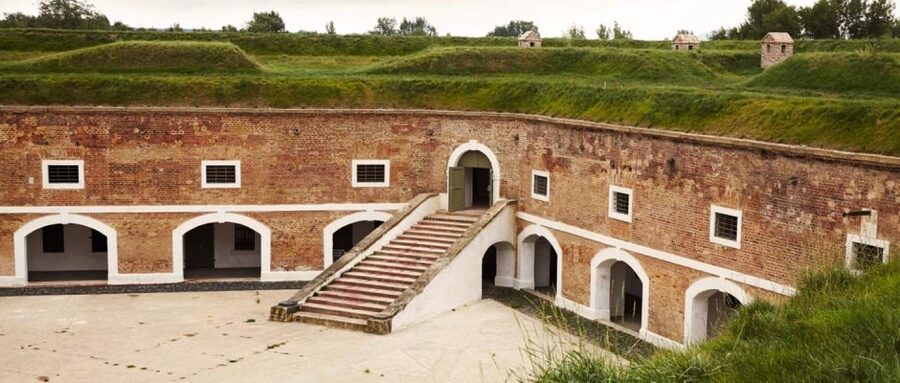
After the route through the concentration camp section, you reach the area for prisoners. This part includes passing through the casematas de la Fortaleza and then moving onward to the shooting field.
Casemates tend to be one of those places where the physical structure does a lot of the teaching for you. Even without extra embellishment, you can feel how spaces like these can control movement and limit escape. The tour keeps you oriented so you understand why those spaces were part of the route and not just a stop for photos.
Then you go to the shooting field. This is naturally intense, and the tour’s guided approach matters here. The narration helps frame the location as part of persecution and killing, not as a “historic battlefield” for casual curiosity.
You also include the small fortress, described as the field of Lecca resistance. That detail is important because it widens the lens. It reminds you that this was not only about victims being held, but also about resistance and the Nazi response to it. The tour’s structure helps you hold both realities at once, without turning either into a movie plot.
This is the section of the tour where I recommend slowing down mentally. If you rush, you miss the tour’s strongest lesson: how different parts of one complex worked together.
Timing, Walking, and How Long This 6 Hours Really Feels
The tour is 6 hours total, including the guided visit and the round-trip transportation. You will likely spend most of the time moving between memorial sites and inside guided spaces, with some time for a photo stop.
Because you are working through fortresses, expect uneven ground at points, and expect to spend time standing still during narration. You do not need to be in athlete shape, but you do need comfortable shoes and a practical mindset.
Also, plan on the day affecting your mood. This is a concentration field excursion with a memorial mission centered on political and racial persecution under the Nazis. You can treat it like travel education, but do not treat it like a normal attraction day.
A small practical tip: keep a bottle of water handy if the weather is warm. The day is structured and guided, but you will still want basic comfort.
Price and Value, Is $68 Worth It?
At $68 per person, this tour lands in the mid-range for day excursions from the Prague area. The value comes from what is bundled together.
You are getting:
- Guide service
- Round trip transportation
- Entries in the facilities
The real question is whether the guide and the structured route justify the price, and in my view they do. Memorial visits can become flat if you are left alone with a map. Here, the narration handles the key interpretive points: the mission of the memorial, how the fortress changed over time, the route prisoners followed, and the difference between ghetto and field.
For the cost, you are also buying time and mental organization. In 6 hours, the tour tries to give you a coherent arc from museum to fortress grounds to prisoner areas and the shooting field, rather than leaving you to stitch it together yourself. That has real value if you want the experience to make sense.
Who This Tour Is Best For
This excursion is a strong fit if you:
- Want a guided route that links museums to prison grounds
- Prefer a Spanish-language explanation that keeps you oriented
- Like historical context, including stops tied to the Anthropoid Operation
- Are specifically interested in how great and small fortresses functioned within the larger system
It might be a tough fit if you are looking for a light day trip. This is not a “see and forget” type of outing. The tour includes sites tied to imprisonment and killing, so you should choose it with emotional readiness.
On the other hand, the fact that it is framed as an educational memorial mission is exactly why it works. You leave with a clearer understanding of how a fortress designed for one era became part of a system of persecution.
Should You Book This Terezín Concentration Field Excursion?
Book it if you want a meaningful, structured visit rather than a solo stroll. The route-based approach, the museum focus on names and facts, and the guided explanation of the ghetto versus field distinction make this one of the more educational ways to see Terezín in a limited time.
Skip it only if you know you are not ready for heavy content or you dislike guided tours on structured schedules. If you can handle a serious day, you are likely to come away with a sharper, more human understanding of what happened here.
FAQ
What is the duration of the Terezín concentration field excursion?
The tour lasts 6 hours, including transportation and guided visits.
Where does the excursion start?
You meet at V Celnici 4.
What time does the itinerary begin?
The itinerary starts at 9:00 in the morning.
What language is the live tour guide?
The live tour guide is Spanish.
What is included in the price?
The price includes guide service, round trip transportation, and entries in the facilities.
Are pets allowed?
Pets are not allowed.
Recently reviewed around Terezin
- Terezin Memorial: Entry Ticket Combo w. Guided Walking Tour★ 4.0 · 77 reviews
- Terezin: Guided Tour of the Concentration Camp and Museum★ 4.3 · 54 reviews
- Terezin Concentration Camp w/Holocaust Historian SMALL GROUP★ 5.0 · 4 reviews
- From Prague: Terezin Concentration Camp Private Tour★ 4.9 · 44 reviews
- Private Half-Day Tour To Terezin Concentration Camp★ 4.9 · 15 reviews
- Operation Anthropoid Tour or Terezín Concentration Camp Tour★ 4.6 · 17 reviews
- From Prague: Terezin Camp and Bohemian Switzerland Day Trip★ 5.0 · 16 reviews
- Terezin In-Depth Holocaust Tour From Prague’s Center (max 7 pax)★ 5.0 · 170 reviews
Terezin Concentration Camp Tours, compared.
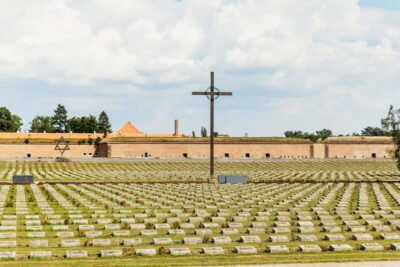
Terezin Concentration Camp Guided Tour w/ Audio
Read our review →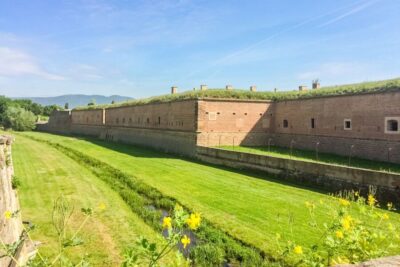
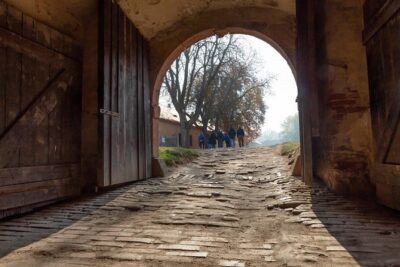
Terezin Concentration Camp Day Tour from Prague
Read our review →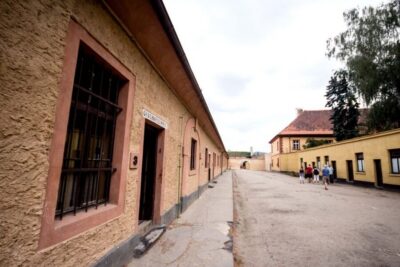
Terezin & Bohemian Switzerland from Prague: Bastei, Narnia & Café
Read our review →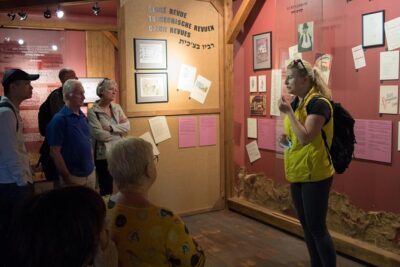
Terezin Concentration Camp Day Tour Including Admission From Prague
Read our review →
Terezin In-Depth Holocaust Tour From Prague’s Center (max 7 pax)
Read our review →Browse the lists this tour appears in