Reviewed · TICKETS
Prague: House at the Golden Ring Entry Ticket
The House at the Golden Ring ticket is interesting because it mixes actual artifacts and building models with video, mapping, and interactive exhibits. I like the way the museum makes Charles IV’s Prague feel touchable, with 3D models and physical reconstructions. I also like the Rudolf II multimedia section, especially the long 9-metre animation that brings the city to life.
One thing to weigh: most of the dialogue and content are in English, so if you were hoping for French or another language, plan accordingly.
Key points at a glance
- Charles IV model gallery: Vyšehrad, Prague Castle, and St Vitus Cathedral, shown in their 14th-century roles for state and religion.
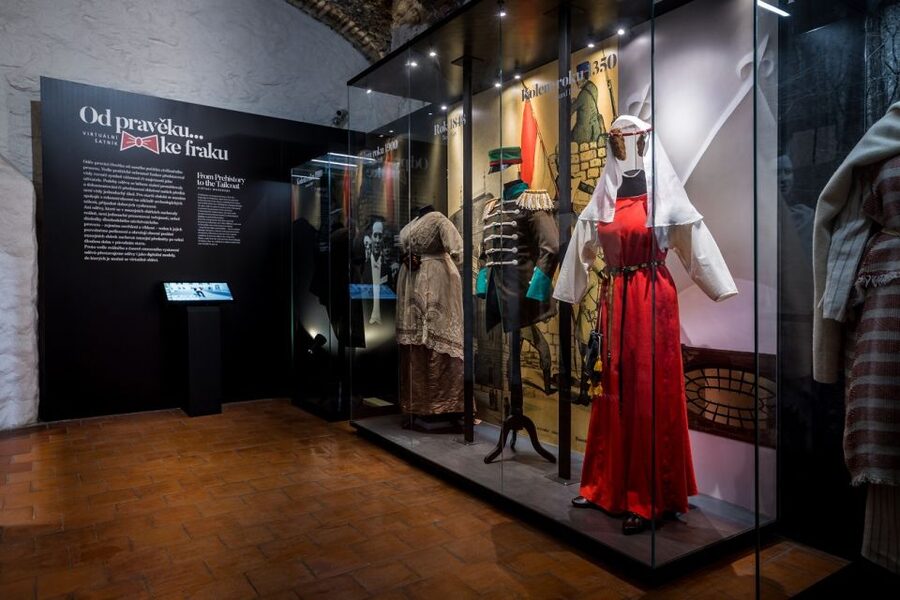
- Interactive “tailcoat” experience: a digital costume exhibition that helps you picture everyday life, not just major rulers.
- Video mapping on a Prague conurbation model: see 14th-century urban growth around Charles Square and nearby areas.
- Bridge-building and town administration visuals: virtual presentations explain how a medieval city worked, not only what it looked like.
- Rudolfine-era 9-metre animation: Prague as a crowded street-level place, not a distant timeline.
- Strong value for the price: at about $8 per person for a 1-day ticket, it’s easy to justify if you enjoy visual history.
House at the Golden Ring: What You’re Really Paying For
At around $8 per person for a 1-day ticket, this is one of those Prague stops that feels like a bargain compared to typical “walls of text” museums. You’re paying for a format, not just exhibits: models you can see clearly, screens that explain connections, and interactive pieces that keep you moving.
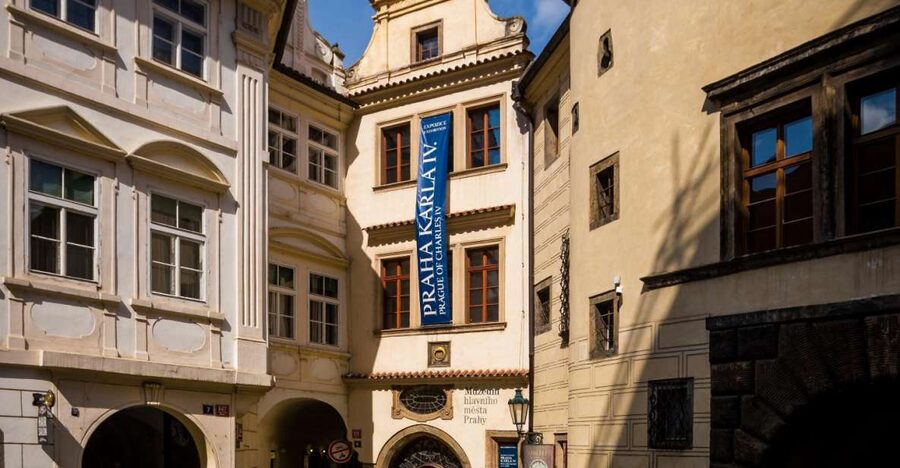
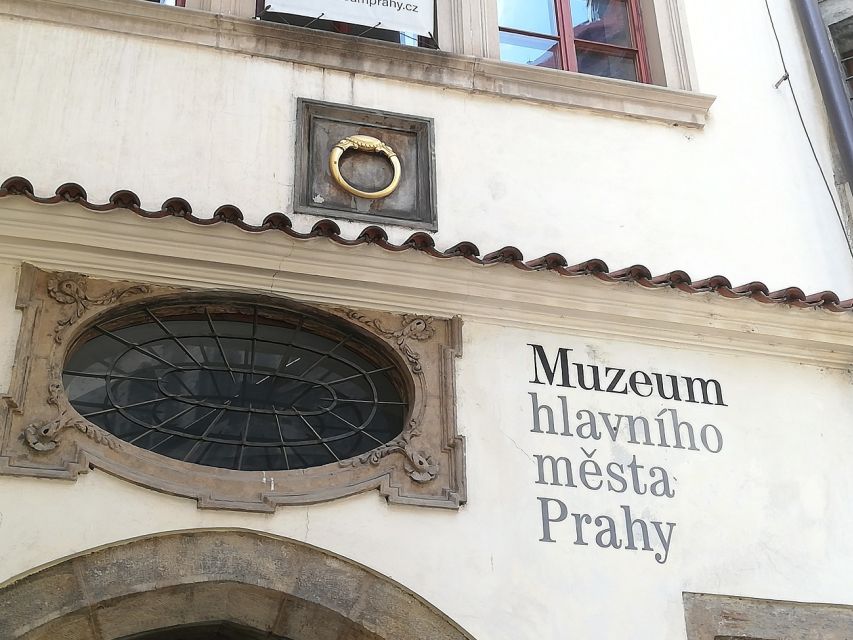
The museum is run by Muzeum Prahy, and the presentations are led in English. The ticket also bundles multiple parts into one visit, including the Medieval Town exhibition and the Rudolf II multimedia show.
If your goal in Prague is to get your bearings fast, this is a smart way to do it. You’ll leave with names, places, and a mental map of how the city shifted under the House of Luxembourg.
A few more Prague tours worth comparing
- Prague: Castle Tour with Local Guide and Entry Ticket
★ 4.6 · 10,422 reviews - Prague Castle 2.5-Hour Tour Including Admission Ticket
★ 4.7 · 8,927 reviews - Prague: Old Town Hall Tower Entry Ticket
★ 4.5 · 6,749 reviews
Entering The House at the Golden Ring and Getting Oriented Fast
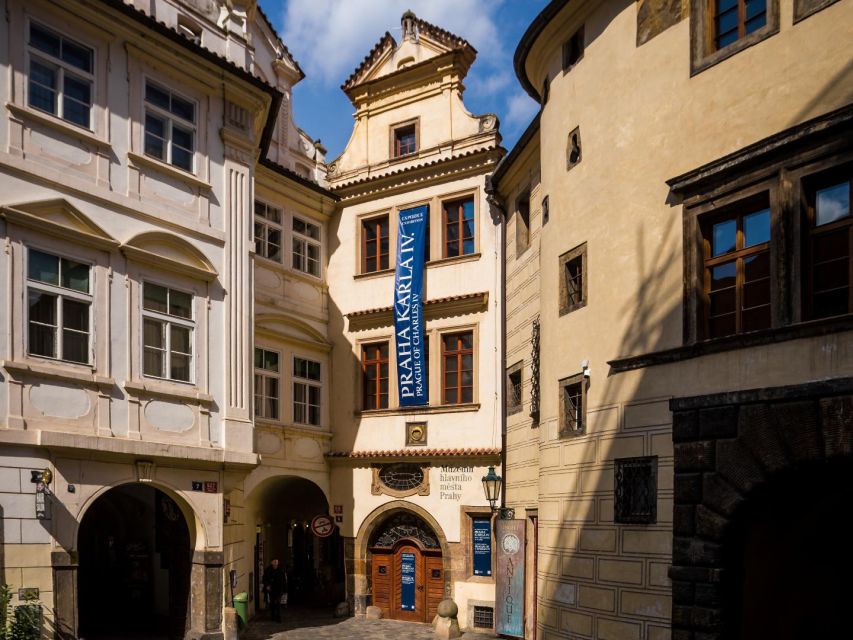
This ticket is centered on the House at the Golden Ring, so you’re not starting from scratch with a random museum. The building experience sets you up for a story about Prague’s physical growth, layer by layer.
Once inside, you’ll notice how the museum switches between formats. You’ll go from tangible models to digital footage, then back to displays and objects. That rhythm matters. It stops the usual “same thing, different label” problem that many history museums have.
Plan on a relaxed pace. Based on how long people spend there, I’d budget about 1.5 to 2 hours if you want to watch the videos without rushing. If you’re slower with screens or you like reading every object label, give it a bit more time.
Medieval Town: Charles IV’s Prague Through Models and Events
The Medieval Town exhibition is where the museum starts doing something rare: it shows you Prague not as a finished postcard, but as a city in formation.
You’ll see virtual and tangible models of buildings connected to Charles IV. The focus is on the urban agglomeration around him, plus big structures like the stone bridge and other key buildings that changed Prague’s look over time.
What I really like here is the way the museum connects architecture to purpose. Vyšehrad, Prague Castle, and St Vitus Cathedral were used for religious and state functions in Charles IV’s era. Instead of treating them like separate tourist stops, the exhibit helps you understand them as political and spiritual machinery.
The show also uses dramatic narrative stops. You’ll encounter moments like Charles’s birth, his arrival to Prague in 1333, his coronation, and his burial. Those points anchor the models in real human events, so the city changes feel motivated, not random.
The big payoff
By the time you finish this section, you should feel more comfortable recognizing 14th-century Prague patterns. The exhibition trains your eye, so later, when you walk the streets, you’re not only seeing “old buildings.” You’re seeing the logic of expansion and power.
Same city, a completely different kind of day:
- Prague: 50-Minute Sightseeing Evening Cruise
★ 4.2 · 33,780 reviews - Prague: Medieval Dinner with Unlimited Drinks
★ 4.4 · 19,847 reviews - Prague: Oldtown, Medieval Underground & Dungeon History Tour
★ 4.2 · 8,244 reviews - Prague: Vltava River Night Cruise with Buffet
★ 4.3 · 7,338 reviews
Possible drawback
If medieval history is not your thing and you mainly want scenery, you may feel the museum runs more like an explanation than an experience. The multimedia helps, but the core is still history storytelling.
Charles Square, Urban Mapping, and the City as a Living System
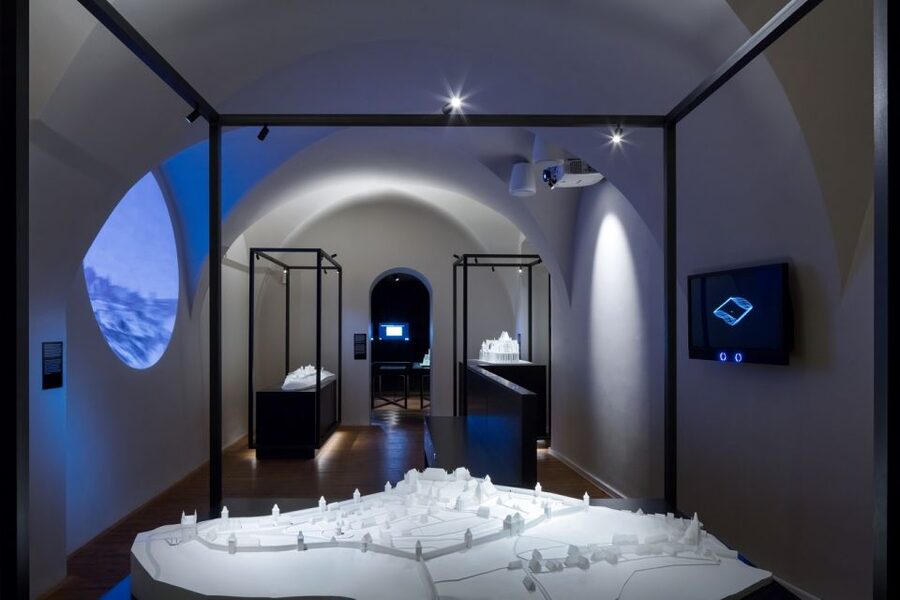
One of the museum’s strongest moves is how it uses technology to show the city’s structure, not just individual monuments.
You’ll watch virtual presentations about the system of town administration and how medieval bridge construction worked. Those are not the usual topics in a typical Prague museum. They help you picture how decisions got made and how the city grew because of that planning.
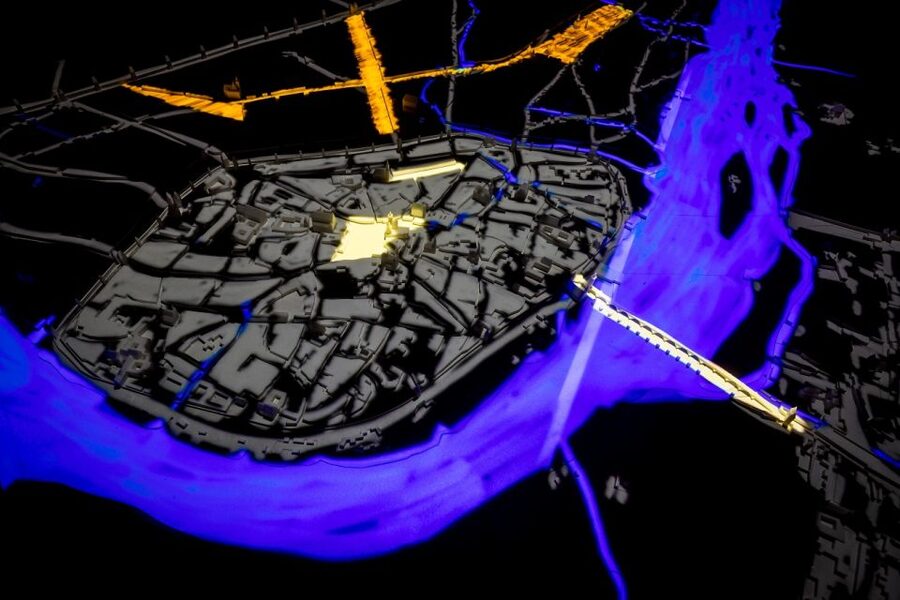
The museum also includes video mapping on a Prague conurbation model. Charles Square and its vicinity are presented in a way that shows building and urban development during the 14th century. This matters because Prague is a layered city. Mapping lets you see which layer belongs to which era.
As you move through, look for the connections between the models. The museum keeps repeating core ideas: the city’s layout changes over time, and major rulers influence that change through institutional decisions and construction priorities.
St Vitus, Prague Castle, Vyšehrad, and the Rule of Luxembourg
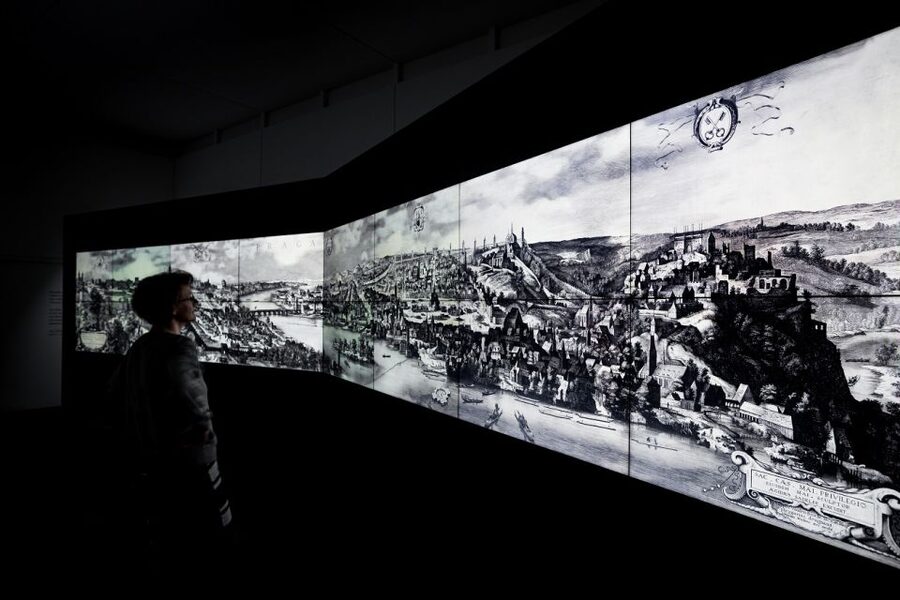
The museum spends time on a set of sites that are extremely important for understanding Czech history, and it doesn’t treat them like distant monuments you can only view from outside.
You’ll encounter models of Vyšehrad, Prague Castle, and St Vitus Cathedral as they were used for religious and state purposes during Charles IV’s time. That double role is the key. It’s not only “church vs castle.” In the 14th century, religious symbolism and political authority worked together.
By framing these places inside the broader city model, the museum makes them easier to remember later. Instead of memorizing isolated facts, you get a structure: where power sat, how it was expressed, and how the city around it evolved.
If you’re planning other stops in Prague, this section helps you decide what to prioritize. You’ll probably care more about certain areas afterward because you’ll know what they represented.
Rudolf II Comes Alive: The 9-Metre Animation and the Rudolfine World
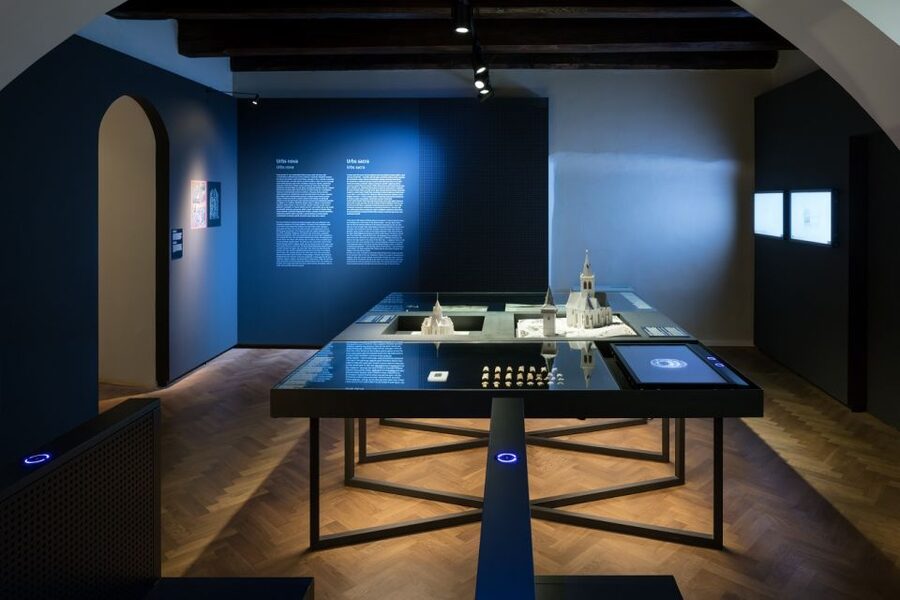
Then comes the Multimedia View of Prague During the Rule of Rudolf II. This is the part that many people find the most memorable because it flips the approach from “city as a model” to “city as a crowd.”
The highlight is a nine-metre animation showing life in Prague during Rudolfine times. It’s described as a view of the city swarming with people, with joys and worries on display. The museum also references a new Sadeler Prospect created through the teamwork of historians and modern technology specialists.
What does that mean for you as a visitor? It means you’re not only seeing a palace and a church. You’re seeing streets and daily movement. The animation style is meant to help you feel the social atmosphere of the era.
If your museum style is “show me, then explain,” this is your section. Even if you only watch portions of it, it still sets an emotional tone that makes the rest of the exhibits land better.
From Prehistory to the Tailcoat: Digital Costumes and Everyday Life
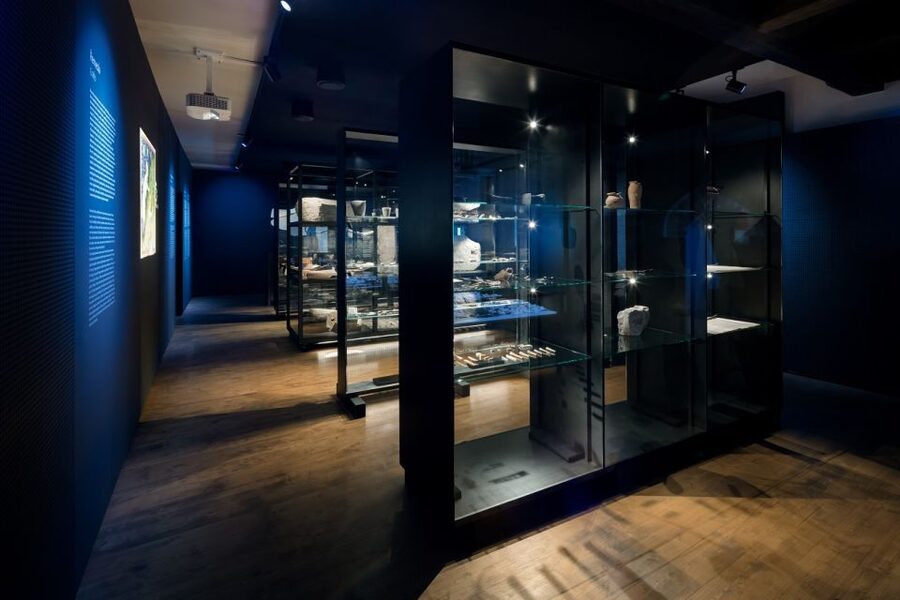
The third included component is From Prehistory to the Tailcoat. This is the interactive digital costume exhibition, and it’s a helpful change of pace from rulers, dates, and architecture.
The costume angle matters because it shifts history from top-down power to everyday visibility. People in old cities dressed for status, work, identity, and seasons. When a museum lets you visualize that, you understand daily life more quickly than from any list of dates.
Even if you focus only on the costume pieces and move on, you’ll probably pick up something useful: clothing is a quick shorthand for what kind of society a place was. That helps when you return later to the model-based sections, because you’ll remember the city as lived-in, not just built.
Who this part suits best
If you like interactive exhibits, hands-on displays, or anything that feels a bit more modern than “museum glass,” you’ll likely spend extra time here.
What the Exhibits Make Clear About Prague’s Changing City Shape
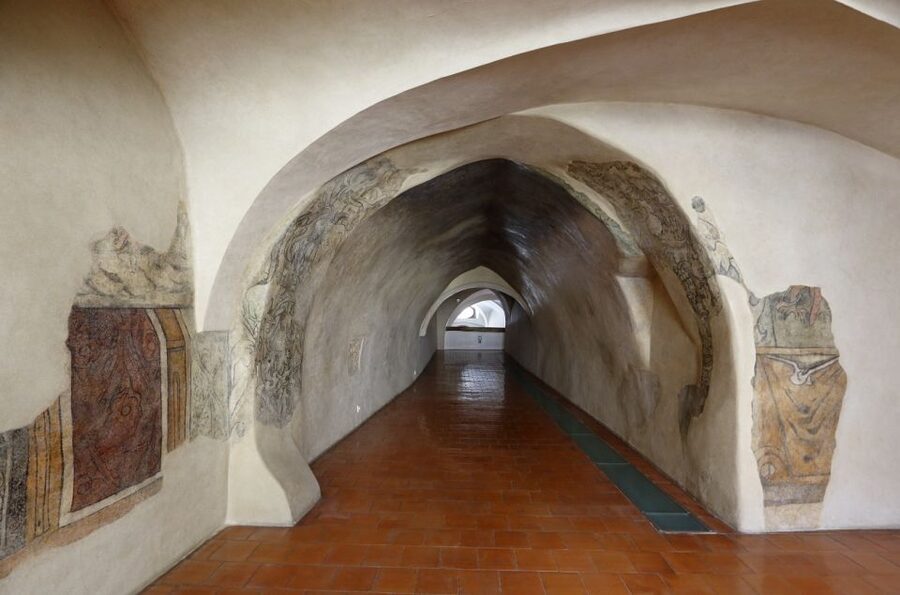
Across the museum, the story keeps returning to one big idea: Prague looked different depending on which ruler’s priorities were shaping it.
Charles IV is covered through the model reconstructions, administration visuals, and the timeline moments. Rudolf II is covered through the multimedia crowd animation and the Rudolfine-era perspective. Then archaeological finds and original objects bring the story down to reality.
The museum also includes unique archaeological findings and other original items from institutions such as the Prague City Museum and the National Heritage Institute (Regional Office in Prague). That’s a smart mix, because it prevents the visit from turning into pure video entertainment.
If you’re a “visual learner,” you’ll like the balance of tech and objects. If you like reading, you’ll get enough material to keep busy too.
Price and Timing: Getting Value Out of a 1-Day Ticket
Let’s talk value plainly. At about $8 per person, this is priced like something designed to be accessible. It’s not a premium guided tour with big markups, and it’s not a short “see three rooms and leave” stop either.
Because it includes multiple exhibitions, you can tailor the visit to your interests. If you’re most drawn to Charles IV and Prague layout, you can spend more time in the Medieval Town and mapping sections. If you prefer feeling the era, the Rudolf II multimedia portion is often the best use of your time.
Time-wise, plan around 1.5 to 2 hours if you want to watch the multimedia pieces. If you’re only skimming, you could do less, but you’ll likely miss what makes this museum special: the way the tech explains the models and vice versa.
Also, because the ticket is valid for one day and you can check starting times, pick a time that doesn’t collide with your walking plan. This museum works best when you can slow down.
Language and Practical Tips So You Don’t Waste Time
The museum experience is in English, and the dialogue appears to be English-only. That’s fine for many visitors, but if you’re traveling with someone who needs French or another language, you may need to adjust expectations.
Before you go, I’d do one quick prep move. Write down the names you’re most interested in:
Charles IV, Rudolf II, Charles Square, St Vitus Cathedral, Prague Castle, and Vyšehrad.
Even a tiny prep helps because the museum is moving through eras and themes.
Wear comfortable shoes. You’ll likely spend time circulating between models and viewing screens. It’s not an all-sitting exhibit.
If you’re sensitive to screen content, pace yourself. Watch one multimedia segment, then regroup with a physical display. That rhythm keeps it enjoyable rather than tiring.
Who Should Book This Experience (And Who Should Skip It)
This ticket is best if you like history that explains how a city works, not history that only lists dates. You’ll probably enjoy it if you’re curious about Prague under the House of Luxembourg, and if you want to see how technology can make old architecture and city planning understandable.
It also works well for families, because the format is visual and interactive, and it tends to hold attention longer than plain text museums.
Consider skipping or at least going in with realistic expectations if you mostly want art galleries, scenic views, or very relaxed “wander-only” sightseeing. If you’re not into medieval and early modern context, the museum can feel more like interpretation than entertainment.
Should You Book the House at the Golden Ring?
Yes, I’d book it if you want a high-value, one-day Prague history experience built around models, video mapping, and interactive costumes. The price is low enough that you can justify trying it, and the exhibitions touch both Charles IV’s urban transformation and Rudolf II’s human-scale city atmosphere.
If you’re traveling with limited English comfort, decide carefully. The museum is English-focused, and that can limit your enjoyment.
If you like seeing Prague as a changing city across eras, this ticket is one of the more practical ways to do it in a single sitting.
Recently reviewed around Prague
- 1 Hour Prague Party Hummer Limousine Ride★ 5.0 · 27 reviews
- 1 hour ride in vintage limousine★ 5.0 · 49 reviews
- The Clinic: Escape room in Fun Arena Prague★ 4.7 · 3 reviews
- Tour of Prague Castle in italian language ticket included★ 4.9 · 25 reviews
- The essentials of Prague★ 5.0 · 3 reviews
- Prague: Lobkowicz Palace Ticket & Audio Guide★ 4.5 · 130 reviews
- The best Trike Bike Prague city tour★ 5.0 · 3 reviews
- Prague Castle: Admission Ticket With Transfer And Audioguide★ 4.5 · 111 reviews
Tickets, compared.

Skip-the-line Castle Ticket and Optional AudioGuide
Read our review →
Castle Tour with Local Guide and Entry Ticket
Read our review →
Prague Castle 2.5-Hour Tour Including Admission Ticket
Read our review →

Entry ticket to Ice Pub Prague with Nightclub Option
Read our review →
Prague Castle and Lobkowicz Palace Entry Tickets
Read our review →
Entry Ticket Classical Concert at the Mirror Chapel
Read our review →