
Reviewed · WALKING TOURS
Prague: Highlights Walking Tour to the German embassy 1989
Prague has a special kind of street-level drama in its 20th-century story, and this highlights walk follows it right through the city center toward the German embassy in 1989. You’ll trace the route East German citizens took to find safety, and you’ll connect it to the famous words delivered from the embassy balcony. I especially like how the tour ties major sights to what happened in 1989.
My two favorite parts are the stop tied to Hans-Dietrich Genscher’s balcony moment, and the way the walk strings together iconic Prague checkpoints like Charles Bridge and John Lennon Wall in the same timeline. One thing to consider: the tour is German-speaking and the embassy interior is not open to the public, so you’ll be viewing key places from outside.
Key highlights to plan for
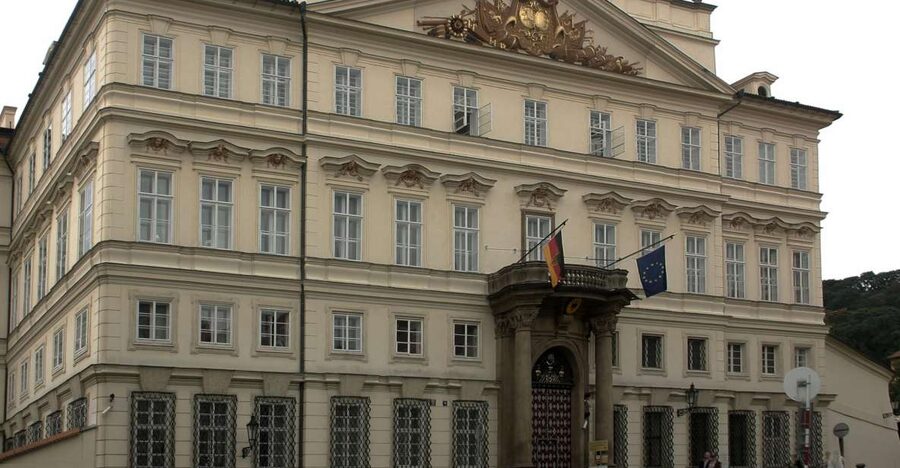
- Hans-Dietrich Genscher’s balcony moment tied to the 1989 refugee crisis
- Charles Bridge crossing, including views linked to the German embassy area
- John Lennon Wall and the cultural memory around freedom and dissent
- Jan Palach sites, including the legacy of the 1968 Prague Spring student
- Old Town to Lesser Town pacing, with photo stops that keep moving
How Prague’s 1989 story comes to life around the German embassy
What makes this walk feel more real than a museum lecture is the setting. Prague’s center is built like a timeline. One block can remind you of medieval roots, the next can point you toward the 20th-century pressure that shaped everyday life behind the Iron Curtain.
The tour centers on the moment in 1989 when East German citizens, fleeing their situation, reached the West German Embassy in Prague. It’s one of those historic chapters where politics turns into human movement. And rather than leaving it abstract, the guide helps you see why the embassy balcony mattered so much to people who were desperate for news, permission, and a way out.
If you like history that has names and places you can stand near, this route works. You’re not just hearing about events, you’re walking between key addresses and city cues.
More walking tours in Prague:
- Prague: 3-Hour Walking Tour of Old Town & Prague Castle
★ 4.7 · 5,696 reviews - Prague: Ghost Walking Tour Where Legends Come To Life
★ 4.4 · 5,253 reviews - Prague: Jewish Quarter Walking Tour with Admission Tickets
★ 4.7 · 3,729 reviews
Meet near Charles University, then get your bearings fast
You start at the Faculty of Law, Charles University, right in Prague’s Old Town area. If you arrive by metro, get off at Staroměstská, about 550 meters from the meeting point. If you prefer tram, take tram number 17 and hop off at Pravnicka Fakulta.
This matters because the first few minutes are where your brain wants orientation. You’ll be moving into Prague’s classic sight zones quickly, so having a fixed starting point helps. Also, this tour is 150 minutes, which is long enough to cover real ground, but short enough that getting lost would be annoying.
Pickup is optional if you want it, including hotel pickup in Prague 1, 2, 3 or a city-center pickup near Můstek. If you do not choose pickup, plan to arrive at the Faculty of Law area a bit early so you’re not rushing when you meet.
The early stops, Old Jewish Cemetery and Josefov’s street-level clues
Once you begin, the route settles you into Prague’s older neighborhoods before it turns toward 20th-century memory. You’ll have photo stops near the Old Jewish Cemetery and in Josefov, Prague’s historic Jewish quarter.
Why these early stops work: they give you context for Prague beyond the slogans and speeches. Even before the 1989 theme becomes the headline, you start noticing the city’s layers. The cemetery and Josefov area remind you that Prague’s identity has always been shaped by communities, not just rulers. That makes the later story of displacement and refuge hit harder, because you’re seeing how people in Prague built lives here over generations.
In practical terms, these are photo stops. You won’t be standing in one place for ages, so if your feet get tired easily, remember you’ll be moving most of the time.
Jan Palach Square and the legacy of the Prague Spring
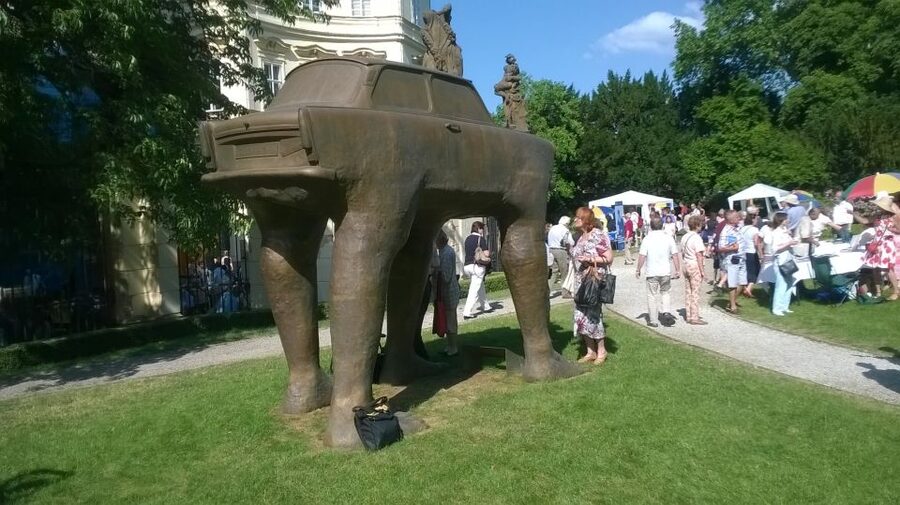
From the older fabric of the city, the tour shifts into memory and protest with a stop at Jan Palach Square. You’ll also learn about Jan Palach and the events around 1968, including his role as a student at the Faculty of Philosophy during the Prague Spring.
This is one of the stops that tends to land emotionally because the story is specific. It’s not a vague idea of dissent. It’s about one person and the shockwave his fate created during a period when hope and repression were colliding.
The stop at the Velvet Revolution Memorial then connects that earlier moment of tension to what people were ready to risk decades later. You start seeing a through-line: pressure builds, courage gathers, and the city becomes a stage where ordinary lives are pulled into big political change.
A small consideration: because this portion is about heavy memory, you might want water, a moment to breathe between stops, and a comfortable pace. The tour is focused, not casual sightseeing.
Same city, a completely different kind of day:
- Prague: 50-Minute Sightseeing Evening Cruise
★ 4.2 · 33,780 reviews - Prague: Medieval Dinner with Unlimited Drinks
★ 4.4 · 19,847 reviews - Prague: Castle Tour with Local Guide and Entry Ticket
★ 4.6 · 10,422 reviews - Prague Castle 2.5-Hour Tour Including Admission Ticket
★ 4.7 · 8,927 reviews
Charles Bridge, views toward the embassy, and why the crossing matters
At Charles Bridge, you get both a classic Prague view and a practical historical angle. The stop includes a walk across the bridge with guidance and a bit of time for sightseeing.
Here’s what I like about connecting Charles Bridge to the embassy area: it forces the city’s “pretty postcard” side to share space with the political geography. From the bridge and along the walking route, the German embassy building enters your mental map. Instead of thinking of the embassy as some distant landmark, you start treating it like a real endpoint in a human journey.
Charles Bridge is also one of the places where you quickly understand why people in tense times would remember routes. When a place becomes symbolic, it stops being just a building. It becomes part of the story you carry afterward.
John Lennon Wall, Prague’s tone of protest, and Wenceslas Square
Next comes the John Lennon Wall, where you’ll stop for photos and guided context. The Lennon Wall is famous as a canvas for ideas, often about freedom and refusal to comply.
On this tour, the wall is more than street art. The guide connects it to the wider theme of political expression, and to why public space matters when systems are locked down. You end up thinking about how people communicate when official channels are blocked.
Then the walk heads toward Wenceslas Square for a stop and guided sightseeing. You also have a brief photo stop at Prague National Museum along the way, which keeps the route anchored in recognizably central Prague.
Finally, you’ll finish day-ending style with Malostranské Square as the tour’s end point. The shift toward Lesser Town is a natural pacing move: you’ve handled the heavy memory stops, and you end in a part of Prague that feels calmer even while it stays central.
The German embassy exterior and the Genscher balcony speech you can still picture
This is the reason the tour exists.
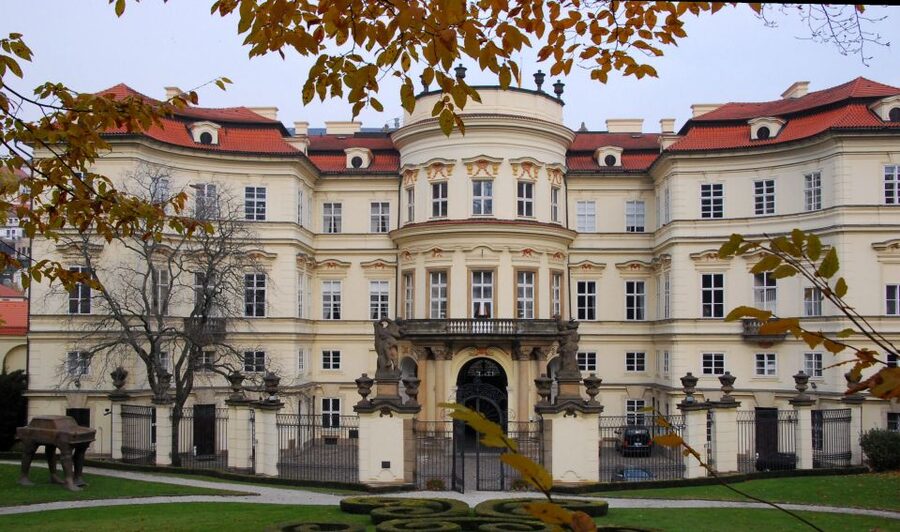
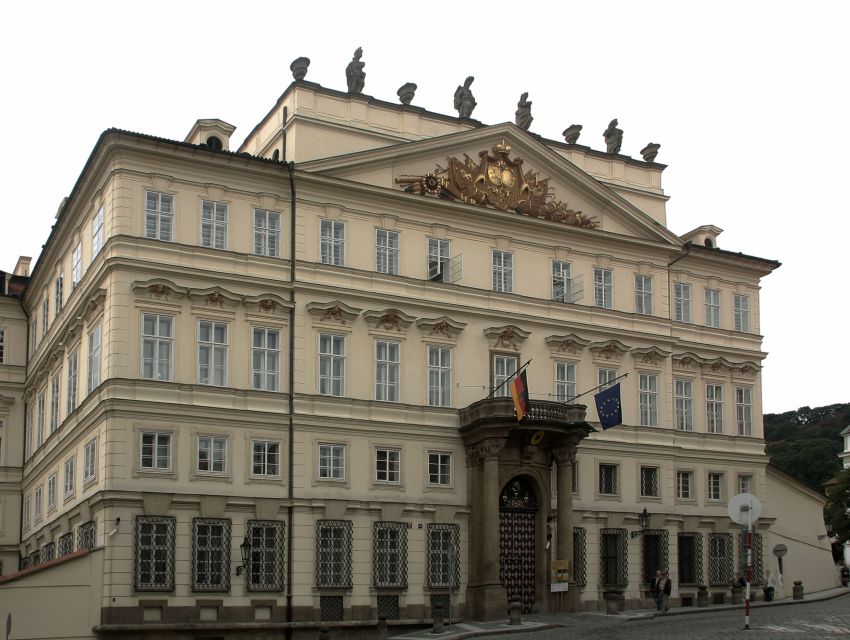
You’ll see the German embassy in Prague from outside during a photo stop focused on the historic balcony speech. The guide shows you the spot where Hans-Dietrich Genscher made his famous remarks, and you’ll learn how that moment connected to the refugee crisis of East German citizens fleeing toward West German representation in Prague.
A key practical detail: the embassy interior is not open to the public. So manage expectations. You’re there for the context, the exterior views, and the ability to place the speech into a real setting rather than touring rooms.
That said, this stop can be surprisingly emotional, especially if you have family history tied to the timeframe. One strong theme from real experiences with this tour is how returning to the scene of a family memory can bring things back instantly. Even if you do not have a personal connection, standing at a symbolic location often makes the story feel less like textbook content.
If you’re doing this as a couple or solo, take a minute to look at the building from different angles in the time you’re given. It helps your brain build a simple visual reference for what the guide is describing.
What the 150 minutes feels like on your feet
A 150-minute duration is a sweet spot for this kind of city-center route. You get enough time to move through Old Town, Josefov, and across to Lesser Town, without it turning into an all-day endurance test.
Still, this is a walking tour with multiple photo stops. Plan for some time spent standing and repositioning at busy viewpoints like Charles Bridge. If you hate crowds, consider going with the mindset that you’re visiting a famous area, not a quiet street.
The tour is also listed as not suitable for people with mobility impairments. That likely means uneven pavement, stairs, and the general reality of old-city walking. If you need step-free access, you should look for a different format.
Price and value: is $32 worth 1.5 hours of guided 1989 storytelling?
At $32 per person for about 150 minutes, the value comes from the guide work, not from entry tickets. You’re paying for a licensed German-speaking guide who connects multiple sites to the 1989 story and also threads in related moments like 1968 and Jan Palach.
You also get planning clarity from the structure. Photo stops keep the pace moving. Guided segments give you enough context to understand why each place matters, and the route ties big landmarks into a single narrative.
What is not included is food and drinks, so budget a small break on your own if you need it. For a tour that mixes emotionally intense history with classic sight checkpoints, having a water bottle and a snack plan will make the experience easier on your energy.
Private group option, language, and who this fits best
This tour offers a private group option, which can be a big plus if you want more time at specific stops or you’re traveling as a small party. The guide language is German, so your experience will depend on your comfort with German.
This tour fits especially well if you:
- Like history you can see in the places where it happened, not just in captions
- Want a Central Europe story centered on the fall of the Iron Curtain, with a focus on Prague in 1989
- Enjoy walking Prague’s classic landmarks like Charles Bridge and Wenceslas Square but want more meaning than photos
It may feel less ideal if you want an English-only tour, or if you need wheelchair-friendly routing.
Should you book the Prague Highlights Walking Tour to the German embassy 1989?
If your ideal Prague day mixes major sights with real, named history, I think you should book this. The route does a smart job of connecting the city center to the 1989 refugee crisis and the Genscher balcony moment, while still giving you major stops like Charles Bridge and the John Lennon Wall.
Do it if you want a guided story with a strong sense of place. Consider skipping or choosing a different language option if you do not feel comfortable with German. And if mobility issues affect your day, this one likely won’t work due to the walking nature and the old-city terrain.
If you want Prague to feel like more than scenery, this is one of the most direct ways to get there.
FAQ
How long is the Prague German embassy 1989 walking tour?
The tour duration is 150 minutes.
What language is the guide?
The guide is licensed and the tour is German-speaking.
Where do we meet for the tour?
You meet in front of the Faculty of Law. If you arrive by metro, use Staroměstská station, about 550 meters away. By tram, take tram number 17 and get off at Pravnicka Fakulta.
Is the German embassy interior open during the tour?
No. The embassy interior is not open to the public, but you do get exterior viewpoints and a guided look at the historically significant balcony area.
Is food included?
No. Food and drinks are not included.
Is hotel pickup available?
Hotel pickup and drop-off is not automatically included, but pickup is optional. You can choose pickup in Prague 1, 2, or 3 or near the metro station Můstek, or at the Faculty of Law in the Old Town area.
Recently reviewed around Prague
- 1 Hour Prague Party Hummer Limousine Ride★ 5.0 · 27 reviews
- 1 hour ride in vintage limousine★ 5.0 · 49 reviews
- The Clinic: Escape room in Fun Arena Prague★ 4.7 · 3 reviews
- Tour of Prague Castle in italian language ticket included★ 4.9 · 25 reviews
- The essentials of Prague★ 5.0 · 3 reviews
- Prague: Lobkowicz Palace Ticket & Audio Guide★ 4.5 · 130 reviews
- The best Trike Bike Prague city tour★ 5.0 · 3 reviews
- Prague Castle: Admission Ticket With Transfer And Audioguide★ 4.5 · 111 reviews
Walking Tours, compared.
3-Hour Walking Tour of Old Town & Prague Castle
Read our review →
Ghost Walking Tour Where Legends Come To Life
Read our review →
Jewish Quarter Walking Tour with Admission Tickets
Read our review →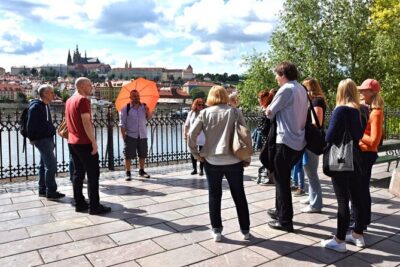
Prague Guided Walking Tour and Cruise with Authentic Czech Lunch
Read our review →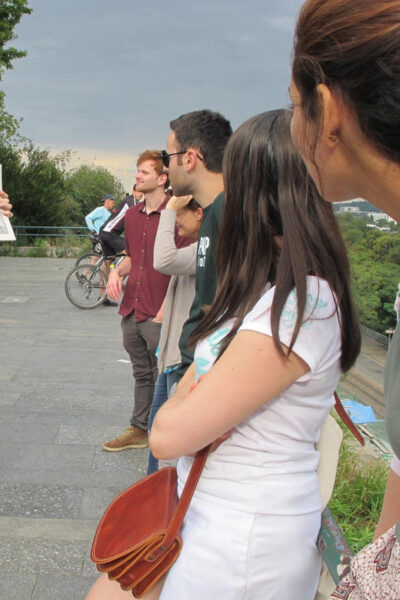
Old Town and Jewish Quarter Guided Walking Tour
Read our review →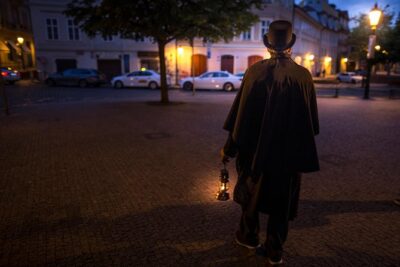
Prague Ghost and Legend of Old Town Walking Tour
Read our review →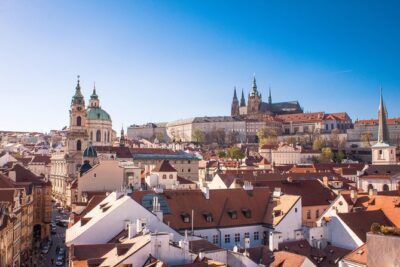
Prague 3-hour Afternoon Walking Tour including Prague Castle
Read our review →
Ghosts and Legends Nighttime Guided Walking Tour
Read our review →Browse the lists this tour appears in