
Reviewed · PRAGUE CASTLE TOURS
Prague Castle St. Vitus Cathedral, Royal Palace, St. George’s Basilica
Prague Castle is interesting because it is not one building, it is a whole power center, layered with Gothic, Renaissance, and Baroque landmarks. In this 3-hour guided tour in German, you get to connect the architecture to real events, from coronations to a 16th-century gold-seeking fad. I like that it is guided by historian Robert Procházka, and I like that you end in the Golden Lane so you finish with atmosphere instead of just checkpoints.
The main drawback to plan around is simple: entrance tickets for the cathedral and palace sites are not included, and the tour is German-only, so you will want to feel comfortable following a guide who speaks that language.
Key things to know before you go
- Historian-led storytelling: you are not just looking, you are understanding what you are seeing.
- A tight 3-hour loop: St. Vitus Cathedral, the Old Royal Palace, St. George’s Basilica, and Golden Lane in one run.
- Big view payoff: you get Prague-spanning panorama time from the castle grounds.
- Major architectural styles in one place: Gothic, Renaissance, and Baroque show up as you move.
- Tickets handled for you: your guide accompanies you to the ticket office and purchases with you at a guide counter to help you avoid long waits.
- Not kid-focused: it is not suitable for children under 10.
First steps at Prague Castle, meet Robert Procházka
You will start right where you want to start, at the streetcar stop Pražský hrad (Prague Castle). Use streetcar line 22 or 23, direction Bílá hora, and meet at the stop itself. This matters because Prague Castle is a maze once you are inside the complex, and you do not want to waste early time guessing which path is the right one.
Your guide is Mr. Robert Procházka, and he will be waiting at that stop. You will tour for about 3 hours total, and you will finish in Golden Lane. The tour ends back at the meeting point, so you are not stuck with “now figure out the rest.”
Also note the language reality: the tour is in German. If you read German well but speak only a little, you might still enjoy the visuals and the flow, but you should expect less detail from side conversations. The good news is that castle sites give you plenty to anchor the story to, even if a few phrases move faster than you want.
More ways to tour Prague Castle:
- Prague Castle 2.5-Hour Tour Including Admission Ticket
★ 4.7 · 8,927 reviews - Prague: 3-Hour Walking Tour of Old Town & Prague Castle
★ 4.7 · 5,696 reviews - Prague: 3-Hour Old Town and Prague Castle Tour in German
★ 4.8 · 5,671 reviews
Value and price: what you pay, what you get
This tour costs $41 per person for the guided portion, and the duration is 3 hours with a historian guide. That price buys you the human part, the explanations that connect coronations, religious sites, royal power, and 16th-century legends.
Entrance tickets are extra. Adults pay 18 EUR, and seniors (from 65 years of age) pay 14 EUR. The guide accompanies you to the castle ticket office, and you pay there with a payment card. If you prefer, you can also hand the amount in EUR to Mr. Procházka, and he will obtain the ticket for you.
This is where the math can make sense for many travelers: if you plan to do St. Vitus and the palace areas anyway, the guided experience can be the multiplier. You are not just visiting famous spots, you are getting a guided path through connected themes: who ruled, who was buried, what symbols mattered, and what caused political shock.
St. Vitus Cathedral: coronations, Wenceslas, and the crown chamber
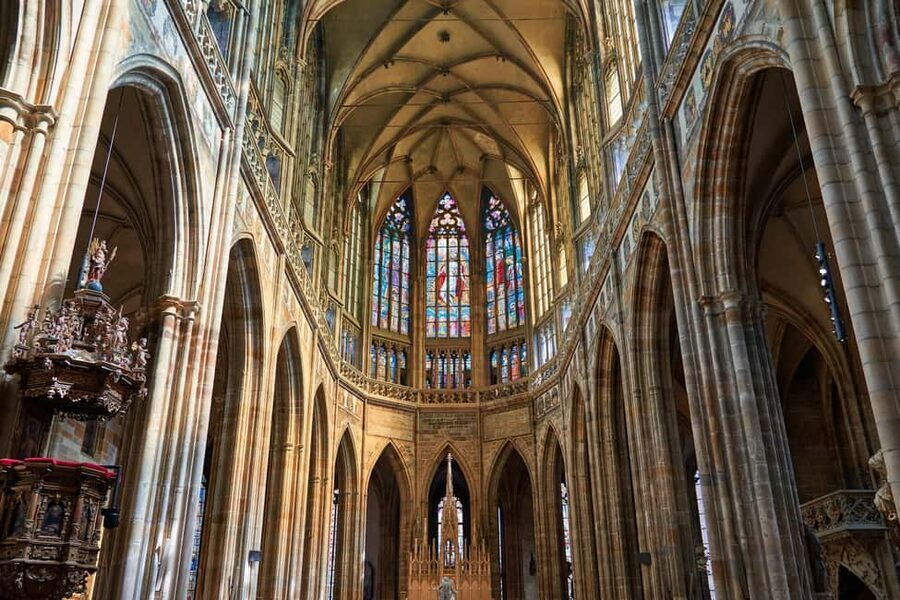
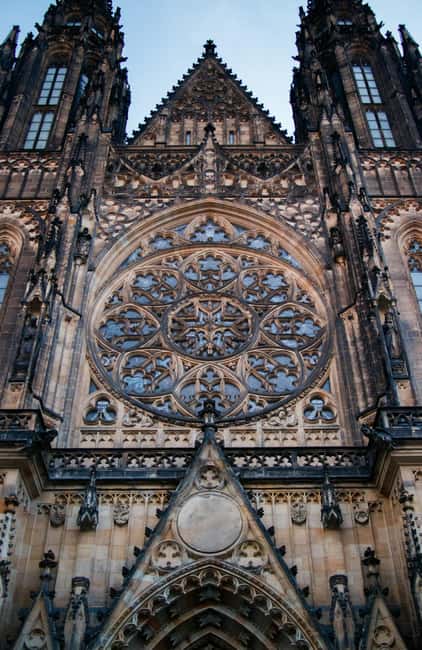
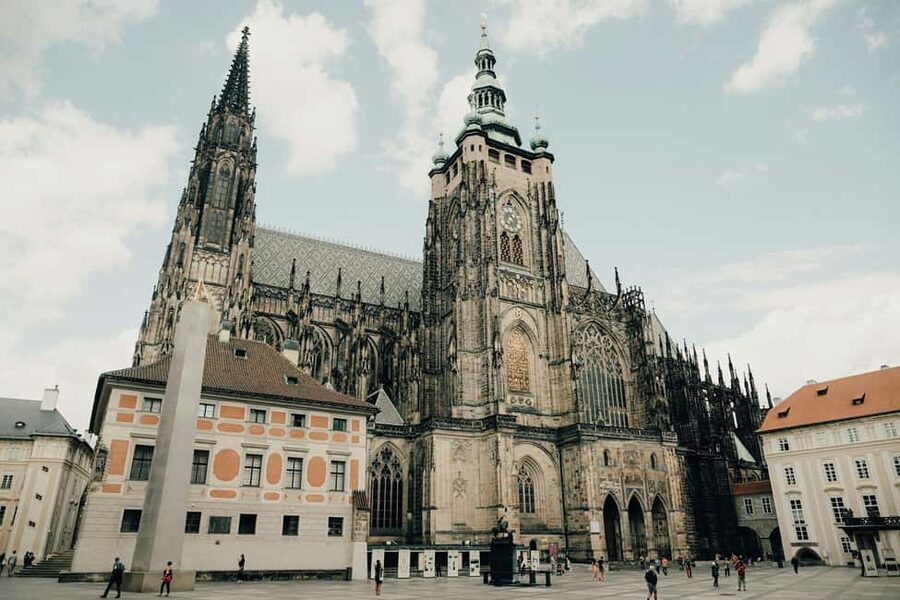
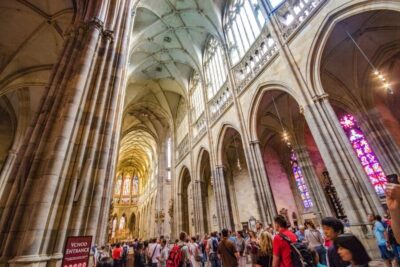
St. Vitus Cathedral is where the castle stops feeling like a viewpoint and starts feeling like a timeline. This is the burial and coronation site of Bohemian kings, so you are looking at sacred space plus political theater, all in one building.
A helpful way to understand what you will see is to remember that the cathedral stands on earlier layers. The oldest predecessor building was a Romanesque rotunda, founded around 925. That date helps you frame why this place matters so much to Czech identity: this is not just a medieval attraction, it is a long-running national stage.
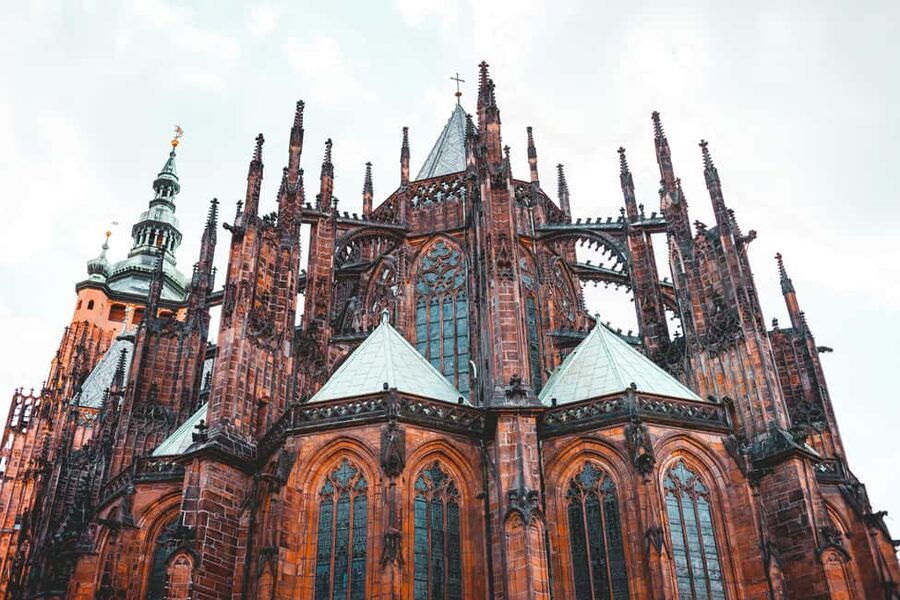
Inside the cathedral, you will hear about patron saints such as St. Wenceslas and St. Adalbert, and you will learn that important figures are buried here. The main architectural style is 14th-century Gothic, and if Gothic feels overwhelming to you in a guidebook, the storytelling approach usually makes it click.
One specific detail worth focusing on is the Wenceslas Chapel. From there, a spiral staircase leads up to the crown chamber. The chapel is decorated with semi-precious stones, and the remains of St. Wenceslas rest in a Gothic shrine. The crown chamber is where the coronation regalia are kept. Even if you are not a “royal objects” person, this is the kind of stop where your brain goes, now I get why these buildings were built the way they were.
Practical tip: because entrance tickets are required, budget the extra time to handle ticketing calmly. The guide helps you get them through a guide-only counter, so you should not be stuck in a long line, but you still want to arrive ready to move.
The Old Royal Palace: crown jewels, the throne room, and the Defenestration
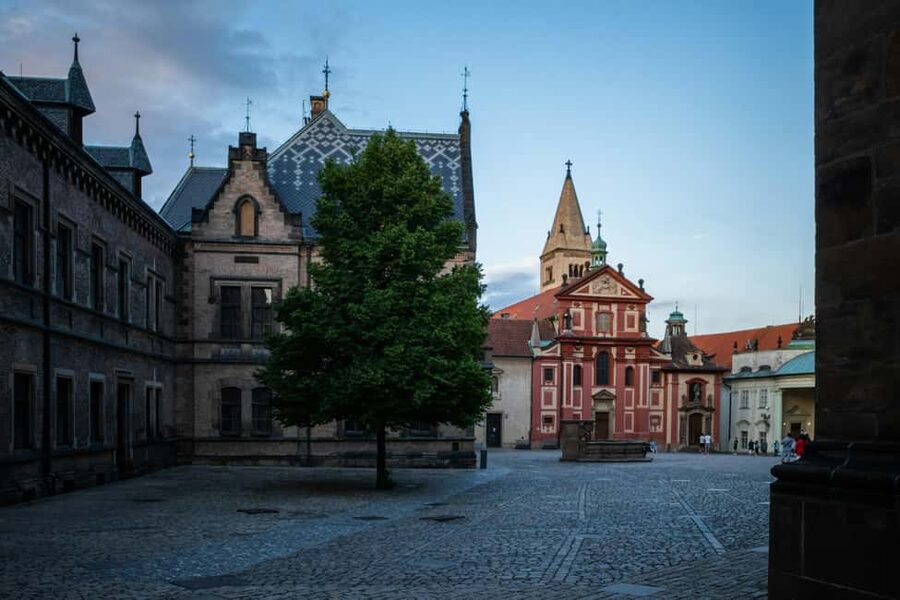
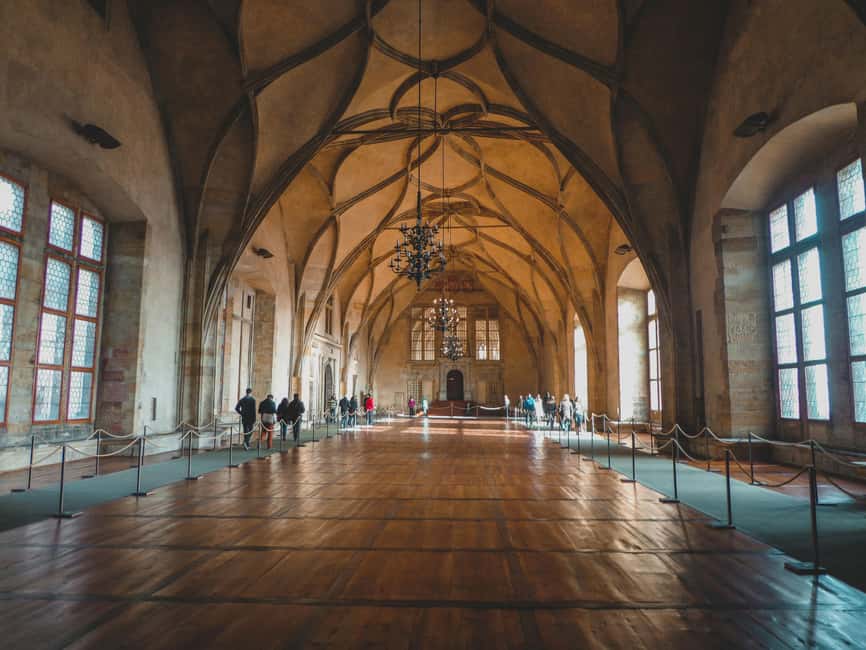
Next comes the Old Royal Palace, and this stop is about power shown through objects and rooms. You will see a replica of the Bohemian crown jewels, plus you will get into the largest late Gothic throne room in Central Europe.
Those two items are not random photo ops. Replicas matter here because the story can be more important than seeing the originals. The real meaning is how Prague Castle communicated authority, especially when kingship and state power were constantly being tested.
You will also visit the site of a dramatic episode: the Third Defenestration of Prague, connected with the State Chancellery, which started the Thirty Years’ War. If you have heard that war name before but never connected it to a specific location, this is where a map in your head suddenly forms. One violent moment becomes part of a larger European conflict. That is the kind of “wait, that happened here” context that makes a guided tour worth paying for.
A balanced caution: Prague Castle can feel like too many highlights in a row. The palace is a lot of rooms and symbolism. If you want to get the most out of it, slow down for a moment at the throne-room level and take in proportions. Late Gothic grandeur hits differently when you stand in the space, even if you only get a short moment there.
Same city, a completely different kind of day:
- Prague: 50-Minute Sightseeing Evening Cruise
★ 4.2 · 33,780 reviews - Prague: Medieval Dinner with Unlimited Drinks
★ 4.4 · 19,847 reviews - Prague: Castle Tour with Local Guide and Entry Ticket
★ 4.6 · 10,422 reviews - Prague: Oldtown, Medieval Underground & Dungeon History Tour
★ 4.2 · 8,244 reviews
St. George’s Basilica: a 10th-century tomb with a grim story
St. George’s Basilica is your shift from coronation politics to older religious roots and personal fate. The basilica dates back to the 10th century and houses the tomb of St. Ludmila, who is the grandmother of St. Wenceslas.
The story around St. Ludmila is dark and specific: she was strangled to death by Viking warriors, carried out on behalf of her daughter-in-law. That detail may sound shocking, but it fits how these sites work. Saints and rulers were not only memorials, they were linked to real power struggles, alliances, and family conflict.
If you are used to hearing saints’ lives as purely spiritual, this basilica tends to bring it back to the politics of survival. It is one of the reasons I prefer guided tours here. The building is beautiful, but the story is what gives the tomb a pulse.
Golden Lane: alchemists, Kafka, and a return to intimate scale
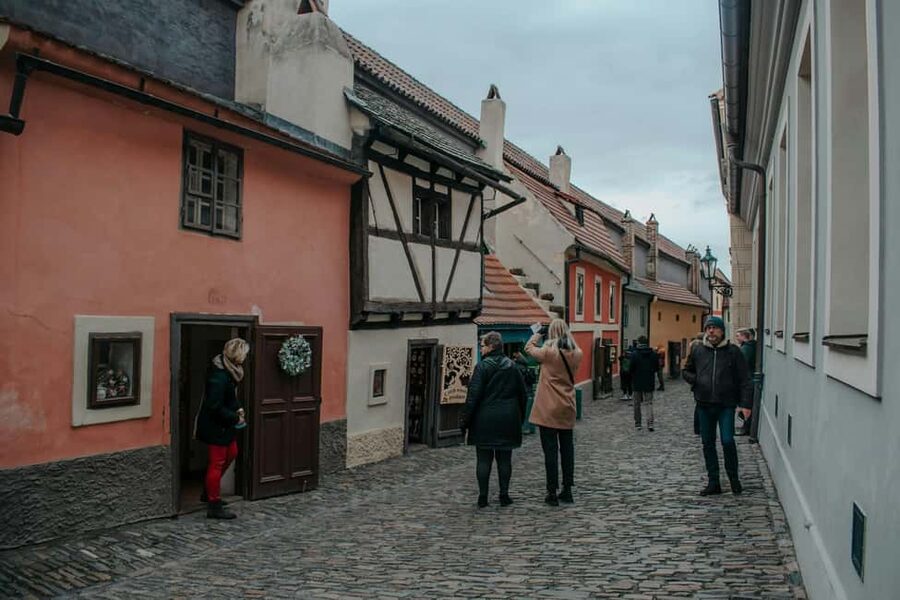
Golden Lane is where the tour changes mood. You leave the “monumental” feel of cathedrals and palaces and step into something closer to everyday life, even though the era behind it is still fascinating.
The lane takes you back to the 16th century. You will hear about Emperor Rudolf II’s alchemists, who searched for an elixir of life and tried to produce gold from lead. That blend of science, obsession, and showmanship is exactly the kind of oddball historical detail people love about Prague, and it actually helps you understand why this place attracts writers and dreamers.
Then there is the Franz Kafka connection. Kafka lived in one of the little houses on Golden Lane. The lane becomes more than a medieval fantasy street. It becomes a bridge between court culture and literary imagination.
What I like about ending here is that your last stop is easy to absorb on your own for a few minutes, even if you are moving through the tour at speed. Golden Lane is visually compact. You can keep turning your head and still feel like you are catching new angles of the same story, without needing to hunt down the next big site.
Prague Castle grounds and the view you should time right
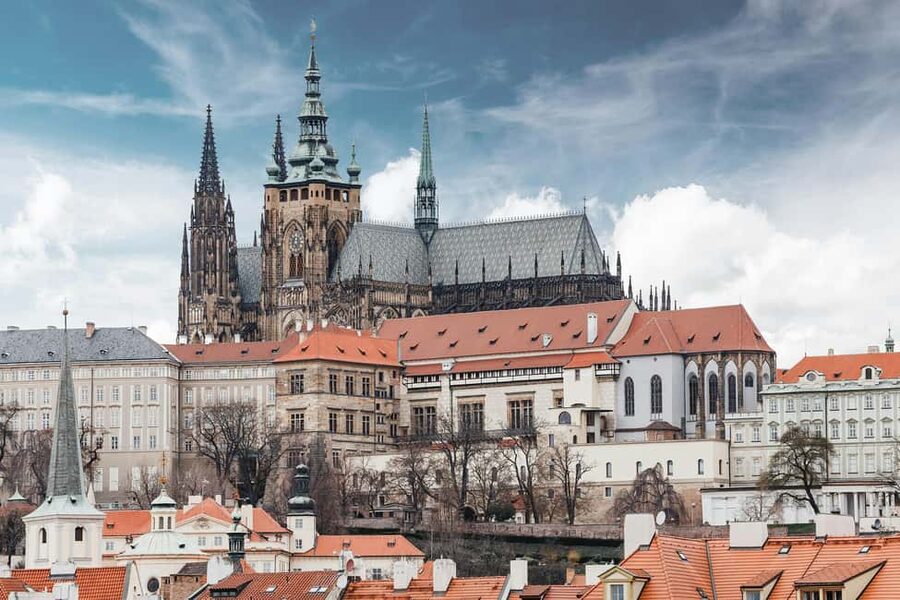
You are also visiting the castle grounds themselves, which are described as the largest enclosed castle grounds in the world and are listed in the Guinness Book. That sounds like trivia, but it changes how you experience the place. You are not wandering through a courtyard, you are moving through a walled city.
One of the highlights is the breathtaking view of the whole of Prague from the castle grounds. The best way to use this time is not just to take the picture, but to orient yourself first. Look for the river bends and major bridges, then look back at the skyline. With that quick orientation, Prague starts to feel like a connected place instead of a collection of landmarks.
A practical note: views vary by weather and season. If you are going on a day with mist or low light, you will still enjoy the sites, but expect the panorama to be more muted. If you can choose your time slot, prioritize the clearer light.
Tips to get more out of a German-guided experience
Because the tour is German-only, you can make it easier on yourself with a few mindset tweaks.
First, don’t treat it like a quiz. Let your eyes do the work. When the guide mentions St. Wenceslas, find Wenceslas Chapel in your mind. When the conversation shifts to regalia, remember crown chamber. These are concrete anchors.
Second, ask yourself what kind of traveler you are. If you love architecture, you will enjoy the way Gothic, Renaissance, and Baroque blend in one castle world. If you love history, you will enjoy the way famous events get tied to exact places, like the State Chancellery and the Defenestration story that connects to the Thirty Years’ War.
Finally, watch your pacing. A castle loop can feel like drinking from a firehose if you do not take small mental breaks. Golden Lane at the end gives you that reset, which is one reason the route works so well.
Who should book this tour, and who should skip it
This tour fits best if you want a structured way to see multiple Prague Castle highlights without spending your whole day piecing together routes. The historian approach is the real strength, especially if you care about how stories connect: coronations in St. Vitus, royal symbolism in the palace, saints and tombs in St. George’s Basilica, and alchemy and literature in Golden Lane.
You might consider skipping or adjusting your expectations if:
- You need a tour in English or another language, since the tour is in German.
- You are traveling with children under 10, because it is stated as not suitable for them.
Quick decision: should you book Prague Castle with St. Vitus, Royal Palace, St. George’s, Golden Lane?
Yes, if you want the classic Prague Castle hits tied to clear explanation. The tour is priced reasonably for a 3-hour historian-led loop, and the guide helps you manage ticketing so you spend less time stuck at counters and more time actually looking. Ending in Golden Lane is a smart choice, because it gives you a memorable, human-scale finish instead of ending with another ticketed interior.
Book it especially if German storytelling appeals to you, or if you are the type who enjoys learning a place’s “why” as much as its “what.” If German is a dealbreaker, you will still enjoy the sights on your own, but you will lose the connections that make this route feel cohesive.
Recently reviewed around Prague
- 1 Hour Prague Party Hummer Limousine Ride★ 5.0 · 27 reviews
- 1 hour ride in vintage limousine★ 5.0 · 49 reviews
- The Clinic: Escape room in Fun Arena Prague★ 4.7 · 3 reviews
- Tour of Prague Castle in italian language ticket included★ 4.9 · 25 reviews
- The essentials of Prague★ 5.0 · 3 reviews
- Prague: Lobkowicz Palace Ticket & Audio Guide★ 4.5 · 130 reviews
- The best Trike Bike Prague city tour★ 5.0 · 3 reviews
- Prague Castle: Admission Ticket With Transfer And Audioguide★ 4.5 · 111 reviews
Prague Castle Tours, compared.
Prague Castle 2.5-Hour Tour Including Admission Ticket
Read our review →
3-Hour Walking Tour of Old Town & Prague Castle
Read our review →
3-Hour Old Town and Prague Castle Tour in German
Read our review →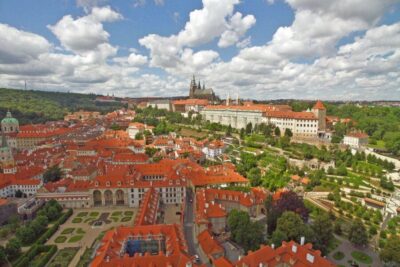
Prague Castle and Lobkowicz Palace Entry Tickets
Read our review →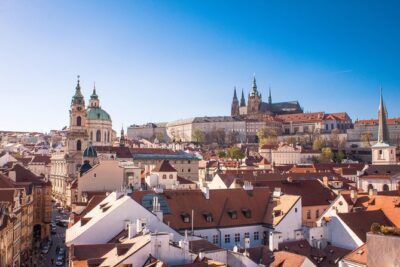
Prague 3-hour Afternoon Walking Tour including Prague Castle
Read our review →
Prague Castle Tour Including Admission Ticket – 2.5 Hour
Read our review →
Prague Castle: Midday Classical Concert at Lobkowicz Palace
Read our review →
Full-Day Prague Tour with Prague Castle, Lunch and Vltava Cruise
Read our review →Browse the lists this tour appears in