
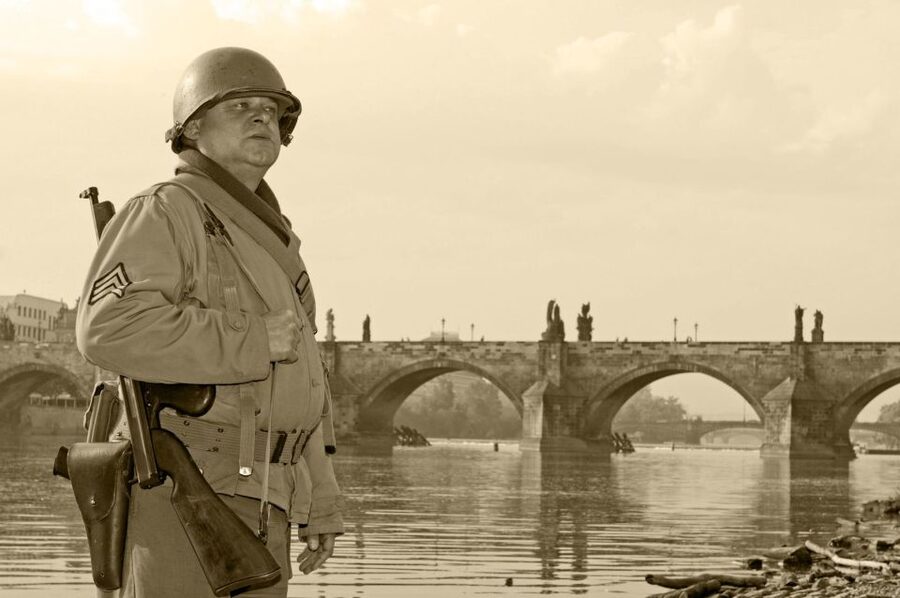
Reviewed · WWII TOURS
Prague: Communists and World War II Tour
Prague is at its most gripping when you stop looking at the pretty postcard stuff and start reading the city like a timeline. This tour strings together the rise to World War II and the post-war Communist era, using real streets, key squares, and a few hard-to-ignore reminders like the 30-meter tall Stalin statue. I like the way it turns big 20th-century politics into something you can actually picture, street by street. I also like that guides keep the pace conversational, with room for questions. One drawback: the subject matter is heavy, so it is not the best fit if you only want light sightseeing.
You will spend two hours walking through central Prague, with stops that connect directly to Nazi occupation, Communism, and the events that fed the Cold War and Iron Curtain story. If you choose it, you can also add the Museum of Communism entry, and you get a 10% discount coupon for that museum. Wear comfortable shoes, and note that alcohol and drugs are not allowed.
Key Things You’ll Enjoy on This Prague 20th-Century Story Walk
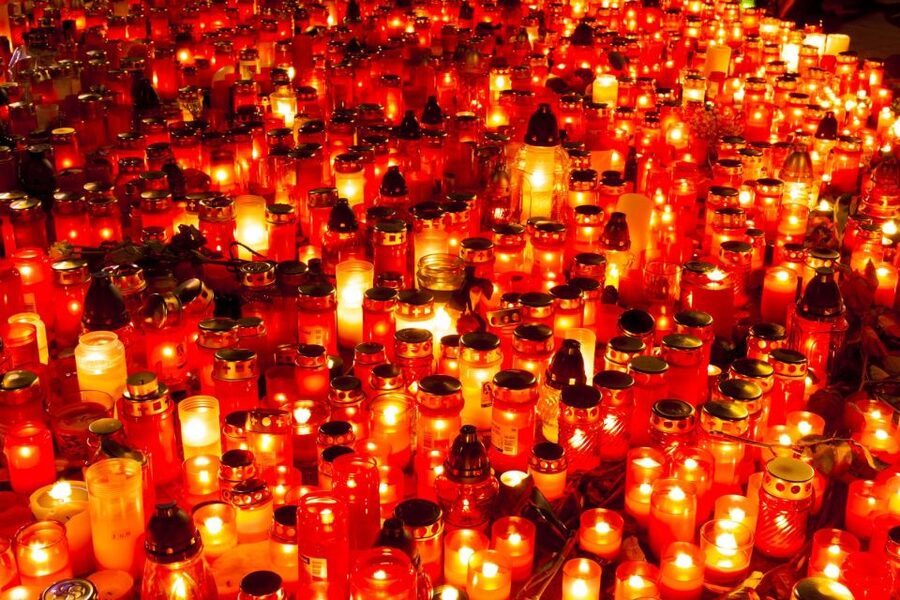
- A tight 2-hour format that keeps the plot moving from WW2 to Communism to the Velvet Revolution.
- The Stalin statue moment, because it is 30 meters tall and impossible to ignore, even if you only came for photos.
- Streets tied to Nazi control, including areas linked to the Gestapo.
- Clear explanations of major turning points, from the creation of Czechoslovakia to why books were burned and why Jan Palach set himself on fire.
- Q and A friendly guiding, with past guides such as Barbara, Martin, Otakar, and Inna noted for strong explanation and question time.
- Optional museum follow-through, with the 10% Museum of Communism coupon and museum entry ticket if selected.
Why This Tour Works: You Learn the Century by Walking It
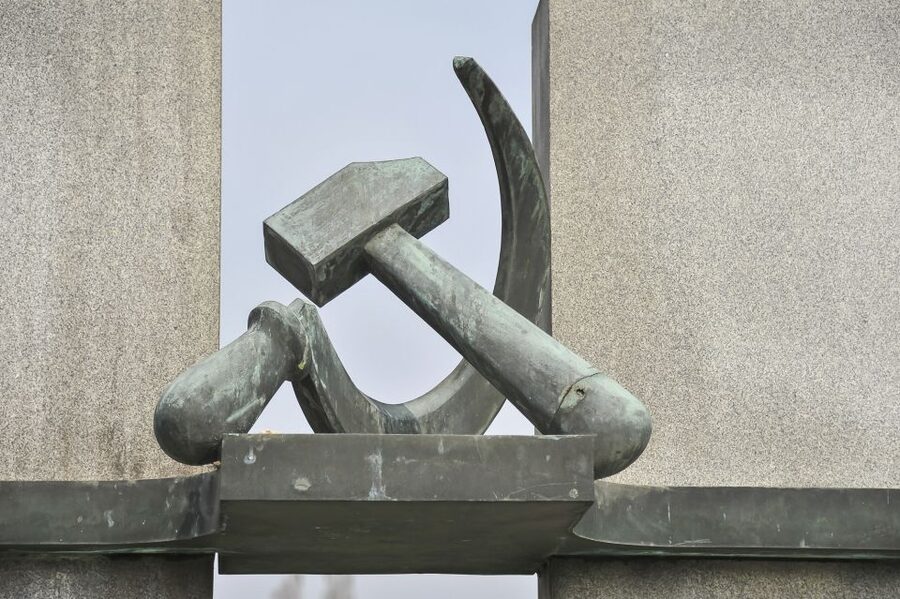
The value here is not just facts. It is the street-level perspective. Prague changes mood fast, and politics used the city’s spaces like a tool. On this walk, you connect the dots between WW2 events, Nazi occupation, Communist rule, and the pressure that built toward major protests and change.
I also like that it is structured like a story, not a random scavenger hunt. Starting from Křižovnické náměstí and moving through central squares, the tour builds a sense of cause and effect. That is how this kind of history sticks, because your feet are literally taking you from one era to the next.
One more practical note. This is a knowledge-forward walk. If you want only architecture, you might find yourself wishing for more time to wander on your own. If you want to understand why monuments, street names, and public spaces matter, you will likely enjoy it a lot.
More WWII and resistance tours in Prague:
- Prague: WWII Guided Tour & The Crypt of Operation Anthropoid
★ 4.7 · 1,030 reviews - WWII in Prague Tour & The Crypt of Operation Anthropoid
★ 5.0 · 817 reviews - Small-Group World War 2 & Operation Anthropoid Tour in Prague
★ 5.0 · 231 reviews
Meeting at Charles Bridge, Then Reading Prague Like a Political Map
You start at Křižovnické náměstí, in front of the Charles Bridge area, next to the Statue Charles IV. The guide holds an orange umbrella, so it is easy once you know what you are looking for.
The closest public transport stop is Staroměstská. That matters because you are meeting in a central area where trams and walking connections can be convenient, especially if you want to grab coffee nearby before the group starts.
At the start, you are not just getting a location lesson. You are getting a framing story for what comes next. This is where the tour earns its name. The guide sets up the last century as a chain of decisions and reactions, which helps when you later hear about the Communist revolution, Russian occupation, censorship, and the events that fed the Velvet Revolution.
Národní Street: Where the Tour Connects WW2 Origins to Czech Reality
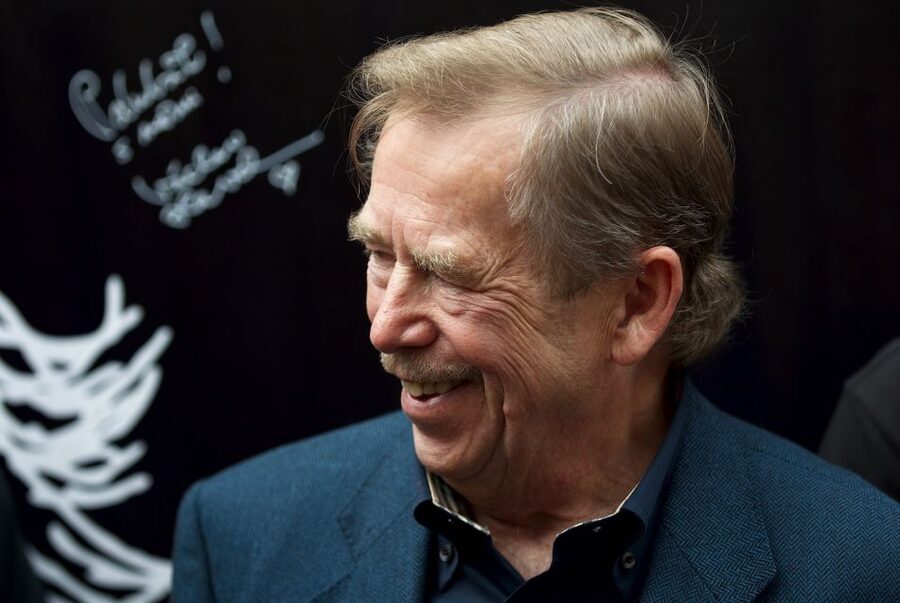
From the starting area, the walk moves toward Národní. This is one of the moments where Prague stops feeling like a backdrop and starts feeling like an active participant in history.
On this segment, you learn about events that led to World War II in Prague. You also hear how earlier tensions connect to later occupation, which is especially helpful if you only know WW2 from textbooks. The tour’s goal is to get you oriented in the timeline so later stops make emotional sense.
What you should watch for here is the tour’s approach. Instead of listing dates, it ties the story to places where power showed up publicly. That is how street scenes become meaningful. If you like getting context before you take photos, this part is a good fit.
New Town Prague: Learning How Censorship and Control Changed Daily Life
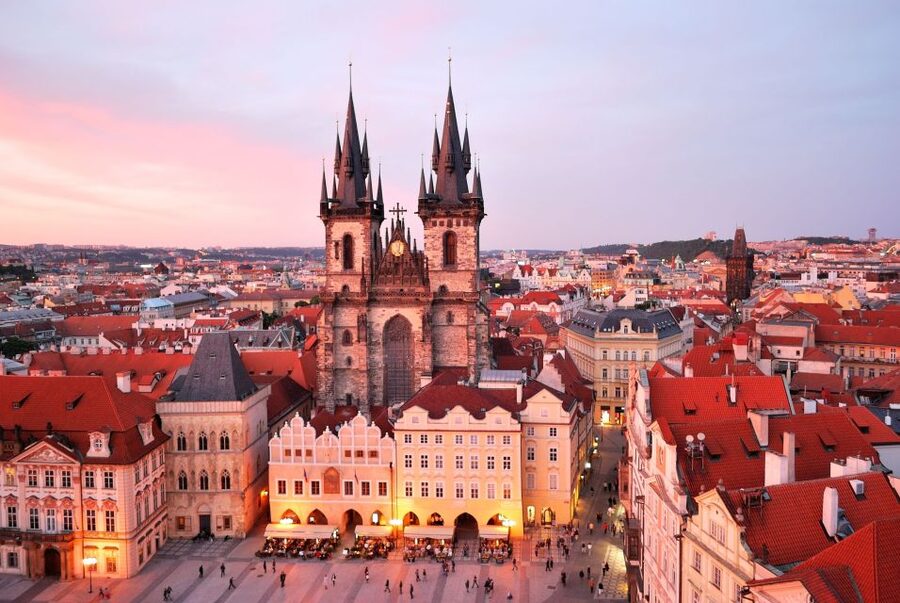
Next comes New Town, Prague. This is where the tour shifts from the lead-up to WW2 into what life looked like afterward, including how Communism shaped public behavior and private thought.
You will hear about life under Communism post-World War II. The guide also explains why black-listed books were burned. That detail is grim, but it is powerful because it shows control was not only about armies and borders. It was also about information and identity.
This segment is a good time to ask questions if you have them. Past guides, including Dana, Martin, and Illene, have been singled out for handling questions and keeping explanations clear. If you are the type who likes to understand the why, you will probably get your money’s worth just by leaning in and participating.
Same city, a completely different kind of day:
- Prague: 50-Minute Sightseeing Evening Cruise
★ 4.2 · 33,780 reviews - Prague: Medieval Dinner with Unlimited Drinks
★ 4.4 · 19,847 reviews - Prague: Castle Tour with Local Guide and Entry Ticket
★ 4.6 · 10,422 reviews - Prague Castle 2.5-Hour Tour Including Admission Ticket
★ 4.7 · 8,927 reviews
Wenceslas Square: Power, Protest, and the Cold War’s Public Stage
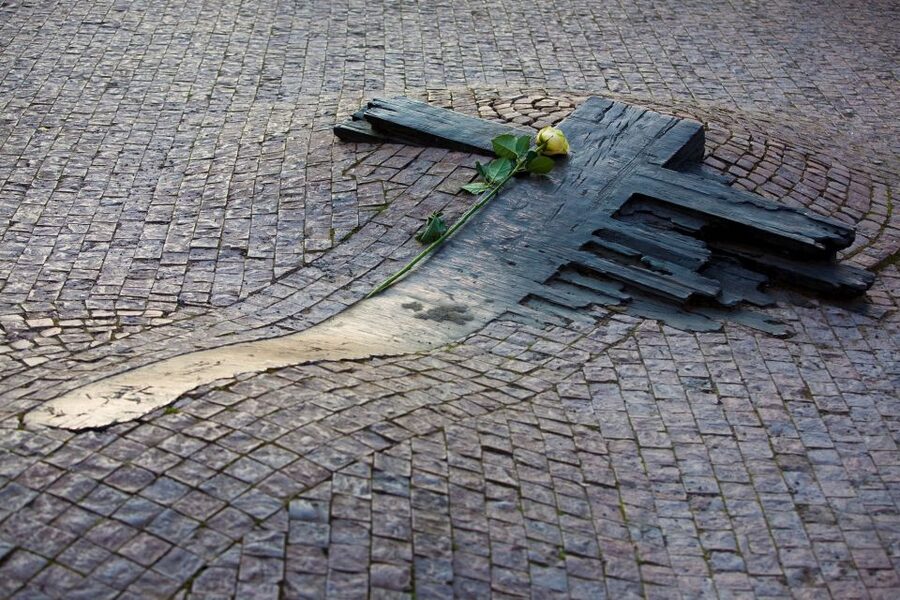
The tour then heads to Wenceslas Square. This is the kind of place where you can feel how public space gets used in political life. The guide connects the streets to the broader Iron Curtain and Cold War story, so you understand why protests, public symbolism, and political messaging mattered.
From this area, the tour’s narrative also reaches into the period of Russian occupation. You learn about censorship and the extremes people faced, including the story of Jan Palach setting himself on fire. The point is not sensationalism. It is that public acts could become a warning flare when regular speech was dangerous.
If you get uncomfortable with the topic, that is normal. But if you treat this as a history lesson, it lands. Prague is full of statues and symbols that point to the past, and the tour uses them to explain why people kept fighting for change.
One heads-up from a real-world perspective: some guides use a short movie segment as part of the explanation. If you dislike repeated content and prefer straight storytelling on the street, you might find that part less satisfying.
The 30-Meter Stalin Statue: A Monument With a Whole Lot of Gravity
A major highlight is seeing the 30-meter tall statue of Stalin. Even if you have seen it in photos, it hits differently in person because it dominates your visual field. This is not just a sightseeing stop. It is a physical reminder of how political power tried to claim space and shape memory.
On the tour, you do not leave the statue as an isolated icon. The guide uses it to talk about the Communist era and how Soviet influence played out in Czech life. The statue becomes a shortcut for the bigger story, which is exactly what you want on a limited 2-hour walk.
If you plan to take photos, give yourself a moment to look around too. The statue is the obvious target, but the surrounding context helps you understand the message it was built to project.
Republic Square to the Finish: How Czechoslovakia’s Creation Fits the Story
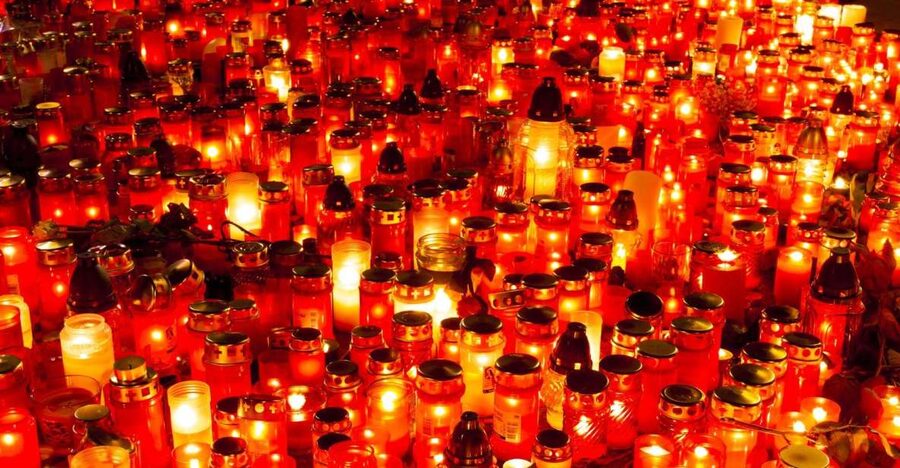
Next you move to Republic Square, Prague, and the tour finishes at Praha, Česko. This is where the tour ties back to the bigger national story, including how the creation of Czechoslovakia came about.
The reason I like ending around major central space is simple. It helps you feel the scale of the story. WW2, Communist rule, censorship, protest, and the Velvet Revolution are all heavy topics. A central final stop gives you time to absorb the whole arc before you break off on your own.
You also hear about the dramatic moments that led to the Velvet Revolution, connecting why things changed when they did. If you were wondering how personal sacrifice linked to political outcomes, this is where the tour makes those connections clear.
Price and Value: $29 for a Short, Focused History Story
This costs $29 per person and is a 2-hour walking tour. On the value side, you are not just buying a route. You are buying a guide who explains the century’s twists in a way you can follow while walking through central Prague.
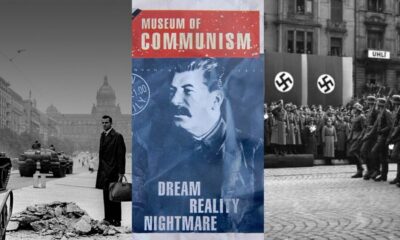
Also, the tour includes a 10% discount coupon for the Museum of Communism, and museum entry is included if you select that option. That is a meaningful add-on because it turns the outdoor political story into something you can reinforce with indoor details.
You are paying for clarity and momentum. If you try to piece this together solo, you can spend hours bouncing between sources and still feel lost. Here, the route and narrative do the work for you. The key is making sure the topic fits your mood, because this is not a casual chat about Prague cafes.
What You Should Expect Day-Of: A Two-Hour Walk That Prioritizes Understanding
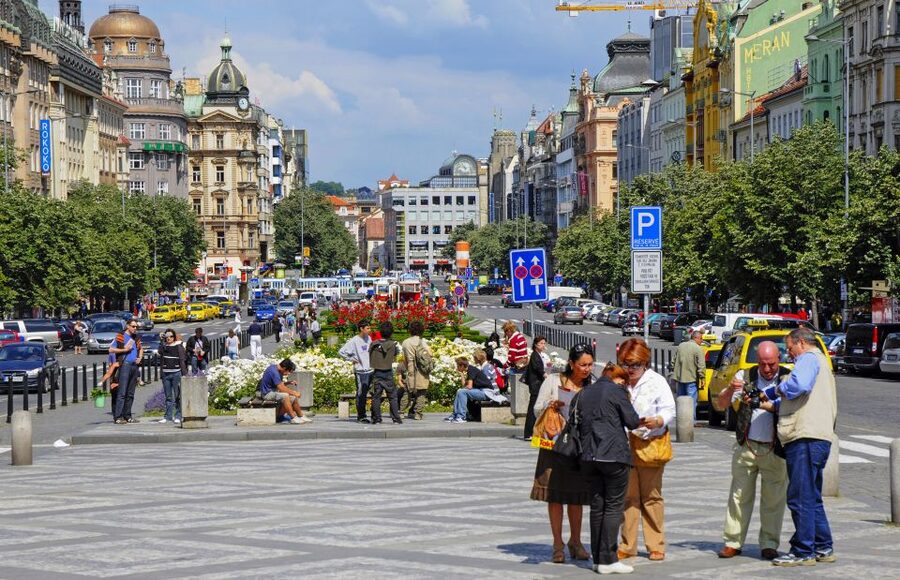
Plan on comfortable shoes. It is a walking format, and you will cover multiple central areas within the 2 hours.
You should also be ready for a structured, story-driven pace. The guide covers events leading to WW2, then life under Communism, then the Russian occupation and pressure points like censorship and the Jan Palach story, and finally the path to the Velvet Revolution. If that sounds like what you want, you will likely feel satisfied fast.
Group experience can vary. Some past groups have been small, which can make questions easier. Either way, the format is best when you stay engaged rather than treating it like a background lecture.
Who This Tour Is Best For (and Who Might Skip It)
This is ideal if you want your Prague to make sense in the 20th century. It is for you if you like history that connects street scenes to real consequences.
You should especially enjoy it if you care about how public spaces get used by regimes, and how Czech people responded through protests and resistance. For fans of specific dramatic stories, you may hear about figures like Reinhardt Heydrich, often described as the butcher of Prague, and Milada Horáková and her stand against Communism.
It might be less ideal if you want a mostly visual tour with minimal politics, or if you prefer light, feel-good entertainment over difficult topics. This one asks you to face the dark parts.
A Quick Guide to the Highlights You’ll Actually Remember
- Streets tied to Nazi occupation and the Gestapo, because it makes the city feel historically charged.
- Life under Communism after WW2, with censorship and burned books explained as part of control.
- The 30-meter Stalin statue, which anchors the Communist era visually.
- Jan Palach and the road toward the Velvet Revolution, because public acts connect to political change.
- The Czechoslovakia creation thread, so you leave with more than just WW2 and Cold War fragments.
Should You Book This Prague Communists and World War II Tour?
Yes, if you want a focused way to understand Prague’s 20th-century turning points in two hours. At $29, the price makes sense because you get a guided walk through central locations tied to WW2 and Communist rule, plus an optional museum add-on with a coupon.
If you hate heavy topics or you only want pretty views, skip it. You will still see beautiful parts of Prague, but the tour’s goal is to connect politics to place, including the parts of history that are hard to hear.
FAQ
How long is the Prague Communists and World War II walking tour?
It lasts 2 hours.
Where is the meeting point?
Meet in front of the Charles Bridge at Křižovnické square, next to the Statue Charles IV. The guide will hold an orange umbrella.
What is the closest tram or subway station?
The closest station is Staroměstská.
What languages are available for the tour guide?
The tour guide speaks German, Russian, and English.
Is the Museum of Communism included?
The tour includes a Museum of Communism entry ticket if the museum option is selected. You also get a 10% discount coupon for the museum.
What should I bring?
Bring comfortable shoes.
Is alcohol allowed during the tour?
No. Alcohol and drugs are not allowed.
What does the tour cover?
It focuses on the events leading up to World War II, life under Communism post-World War II, Russian occupation, censorship including burned books, and the path toward the Velvet Revolution. You also see the 30-meter tall statue of Stalin and walk through central areas connected to these eras.
Can I get a refund if I cancel?
Yes. There is free cancellation up to 24 hours in advance for a full refund.
Recently reviewed around Prague
- 1 Hour Prague Party Hummer Limousine Ride★ 5.0 · 27 reviews
- 1 hour ride in vintage limousine★ 5.0 · 49 reviews
- The Clinic: Escape room in Fun Arena Prague★ 4.7 · 3 reviews
- Tour of Prague Castle in italian language ticket included★ 4.9 · 25 reviews
- The essentials of Prague★ 5.0 · 3 reviews
- Prague: Lobkowicz Palace Ticket & Audio Guide★ 4.5 · 130 reviews
- The best Trike Bike Prague city tour★ 5.0 · 3 reviews
- Prague Castle: Admission Ticket With Transfer And Audioguide★ 4.5 · 111 reviews
WWII Tours, compared.
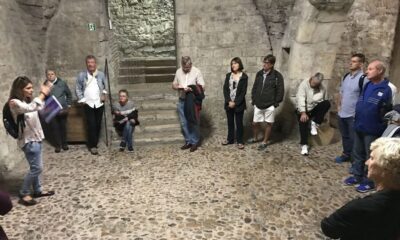
WWII Guided Tour & The Crypt of Operation Anthropoid
Read our review →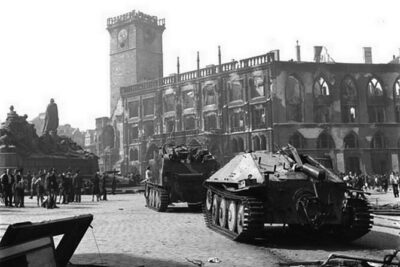
WWII in Prague Tour & The Crypt of Operation Anthropoid
Read our review →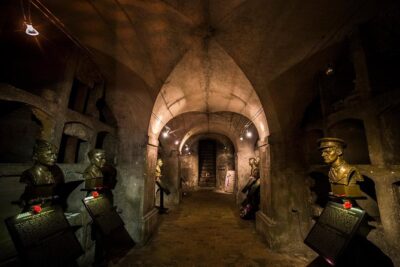
Small-Group World War 2 & Operation Anthropoid Tour in Prague
Read our review →
World War 2 and Operation Anthropoid Walking Tour
Read our review →
Operation Anthropoid Tour or Terezín Concentration Camp Tour
Read our review →Browse the lists this tour appears in